
01Timing
The second before the result.
What does pressure look like before it becomes a score?
The useful frame sits just ahead of the break. It keeps the shooter, the line, and the field in one read instead of reducing the moment to outcome.
Photography
Photography is another way of reading the field: pressure, atmosphere, timing, people, weather, equipment, and the quiet details that explain what a place feels like.
The Visual Field
The camera works like the rest of David's field work: read the situation, find the useful frame, and keep the evidence before the moment disappears.
The archive still lives offsite for volume. This page starts smaller: a featured Westside essay frame, a set of visual questions, and a quieter path back to the full albums.
Pressure
What the person, place, or animal is carrying before the visible action.
Atmosphere
Weather, light, terrain, and course rhythm as part of the story.
Timing
The second where attention becomes readable.
Detail
The small proof that explains the larger field.
Featured Visual Essay
This first on-site essay starts small: five frames held in sequence, each one treated as field evidence before the visitor moves into the larger archive.
What does pressure look like before it becomes a score?
The useful frame sits just ahead of the break. It keeps the shooter, the line, and the field in one read instead of reducing the moment to outcome.

Where does attention become movement?
A field photograph can show the relationship between sight, posture, and decision. The point is not only the shooter; it is the line being solved.

What does coaching look like when it is being translated?
Hands, spacing, and gesture can carry as much information as a written note. They show the invisible path becoming usable for someone else.

Which details explain the larger culture?
Equipment, hands, worn surfaces, and small acts of setup are not secondary to the story. They are proof of care, repetition, and feel.
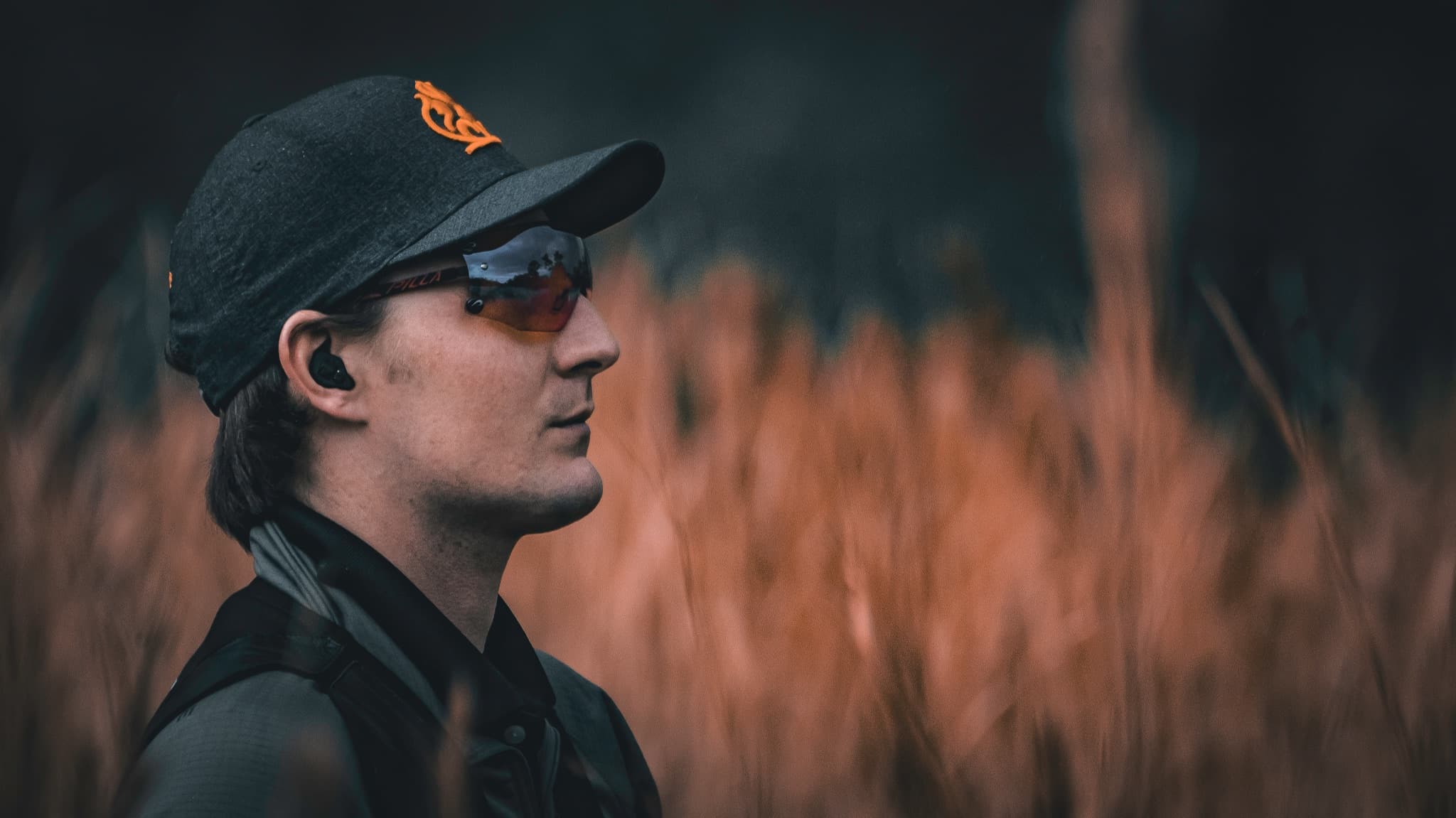
What remains when the action quiets down?
The quieter frame keeps weather, cover, distance, and waiting in view. It shows the field as a living condition, not just a backdrop.
What this helps you see
The frame can hold the read, the setup, and the decision before the obvious action arrives.
Hands, equipment, paths, weather, and waiting explain more than a polished event recap can.
Light, terrain, trees, cover, and distance shape the meaning of the person inside the image.
Ways Of Seeing
The organizing question is not which album came first. It is what kind of evidence the frame preserves.
Shooters, coaches, squads, hosts, and the small expressions that show what the day is asking from them.
Wind, heat, light, clouds, mud, dust, and the field conditions that change how a place behaves.
The culture of a course: stations, paths, trees, signage, traps, and the rhythm before and after a round.
The hunting side of the same eye: cover, distance, patience, movement, and the animal work that makes the field legible.
Guns, shells, hands, vest pockets, worn surfaces, and the details that turn technical choices into feel.
The pauses around the sport where the atmosphere is most honest: waiting, walking, listening, resetting.
Secondary Archive
These links keep the existing external archive usable while the on-site photography section grows through selected essays instead of a full migration.
Visit full photography archiveExternal album
A club that feels like home: trees, targets, people, and the kind of atmosphere that belongs on the site.
External album
A personal selection across albums: images kept for either the photo itself or what the moment means.
External album
Annual field work, weather, dogs, and the quiet parts of the shooting world that shape David's visual language.
Photography Inquiry
Use this for club atmosphere, event coverage, field work, product detail, or a visual system that needs the same careful read as the rest of the site.