
The Quiet Essay Corridor
A Way of Seeing
The visible result is only the last thing to appear.
A reading field for the pressure before the shot, the pause before correction, and the attention that connects every form of the work.
Here’s what this means
Here’s what this means
A Way of Seeing
This page is probably the closest thing to an explanation of me.
Not my résumé. Not my list of titles. Not the clean version of a biography. More like the thread underneath all of it.
For most of my life, people have seen the visible parts first: the shooting, the competition, the coaching, the Perazzi relationship, the podcasts, the broadcasting, the business ideas, the websites, the creative projects. From the outside, those can look like different worlds.
But from the inside, they have always felt connected.
I have always been trying to understand what is underneath the visible result.
Why did that shot happen?
Why did that student miss the same target again?
Why does one image hold emotion and another one only show information?
Why does one brand feel alive while another one feels arranged?
Why does one conversation open a person up while another one stays on the surface?
That is what this page is about.
It is not just “how I see.”
It is how I have learned to live: by staying with something long enough for the deeper pattern to appear.
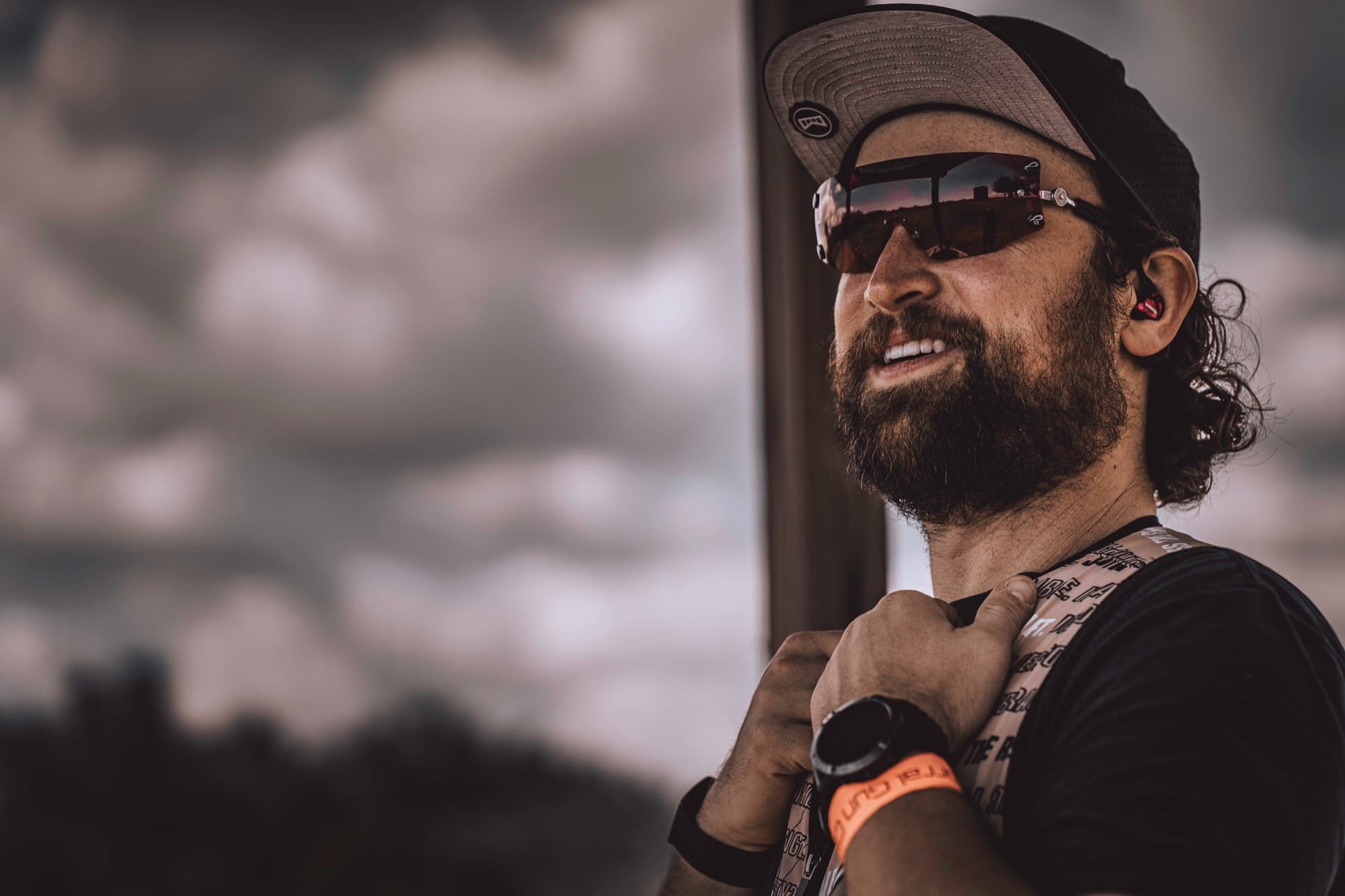
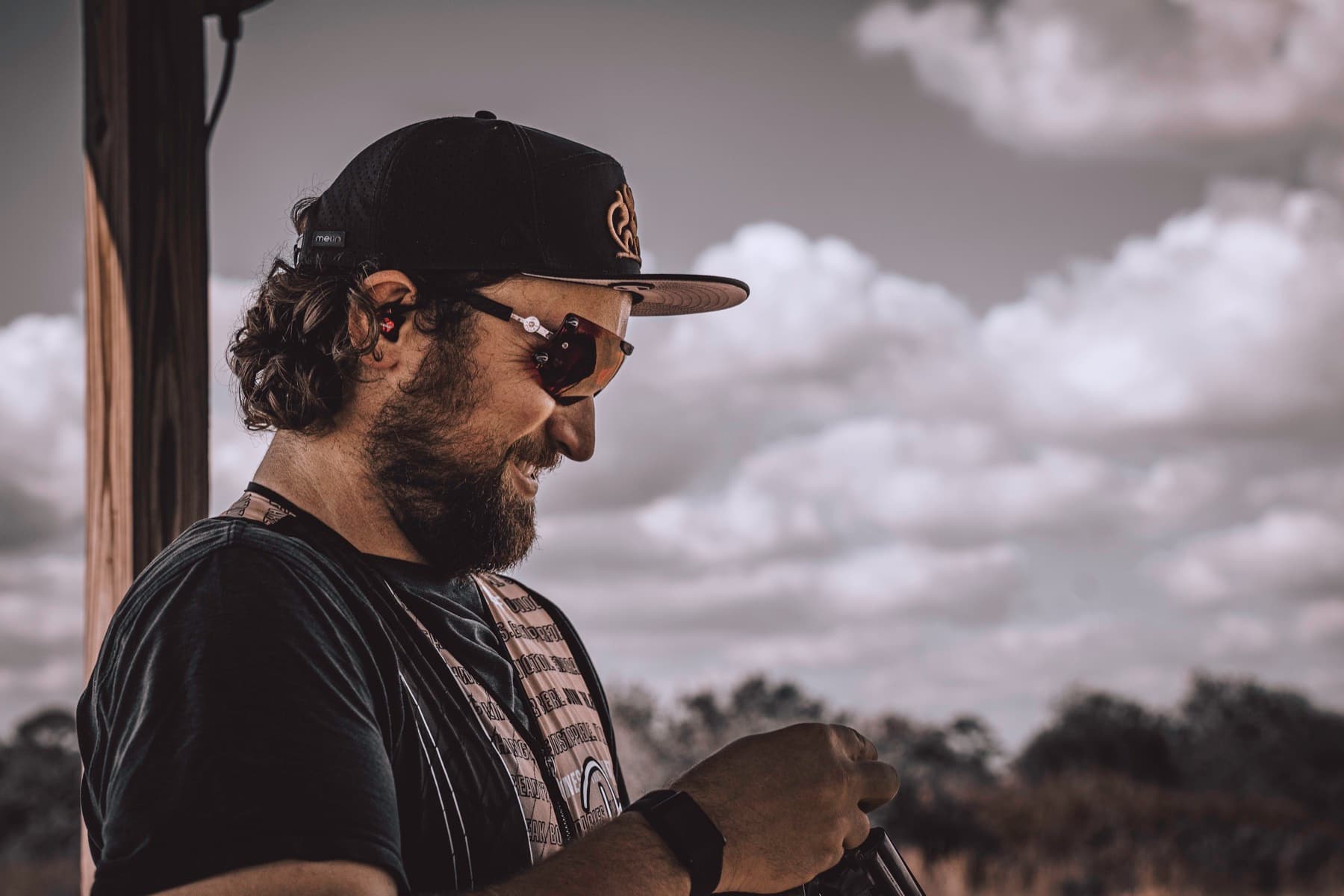
The Result Is Not The Cause / 02
The Result Is Not The Cause
The result is only the visible ending of something that began earlier.
The result is easy to see. A target breaks or it does not. A score goes up or down. A photograph holds your eye or loses it. A conversation opens or closes. A design feels alive or it feels arranged.
But the result is only the visible ending of something that began earlier.
Before the shot breaks.Before the body moves.Before the target is understood.
I have learned to look there: at the breath before commitment, the small tightening before pressure takes over, and the difference between seeing clearly and merely looking in the right direction.
Here’s what this means
Here’s what this means
The Result Is Not The Cause
This is one of the most important lessons shooting has ever taught me.
The result is loud.
A target breaks or it does not. A score is high or it is not. A tournament goes well or it does not. A student improves or struggles. A website feels right or wrong. A piece of work lands or it disappears.
It is easy to mistake the result for the truth.
But the result is almost never the beginning of the story.
In shooting, the result is only the visible ending of something that started earlier: where the attention went, what the body trusted, what pressure changed, what the eyes actually gathered, what decision arrived too late, what the shooter believed was about to happen.
I think my whole life has trained me to look there.
Not only at what happened, but at what produced it.
That is why I can seem analytical from the outside. But from the inside, it does not feel like analysis for its own sake. It feels like care. It feels like refusing to let the visible result become the whole truth.
A miss is not only a miss.
A win is not only a win.
A beautiful image is not only beautiful.
A brand problem is not only a design problem.
The result matters. But the cause is where the real work begins.
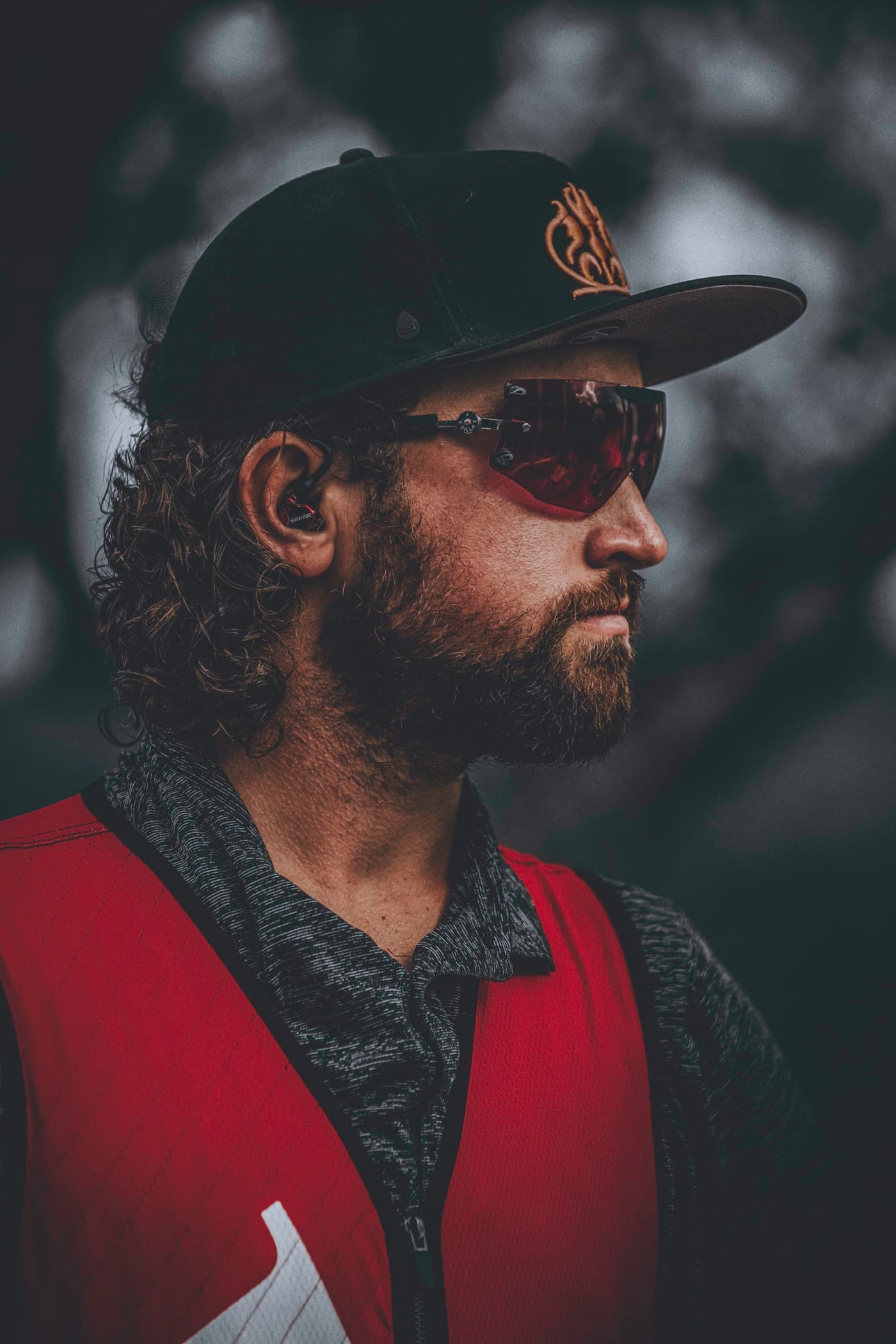
Pressure Field / 03
Pressure Makes The Pattern Speak
Under pressure, there is no room for decoration.
Shooting gave me the first language for this.
A clay target leaves the trap, moves through space, and asks you to understand it before understanding becomes verbal.
The gun moves where the body believes.The eyes find what the mind permits.The shot reveals perception, timing, trust, and pressure.
For a long time, I thought that was only about sport. It was not.
Here’s what this means
Here’s what this means
Pressure Makes The Pattern Speak
Shooting gave me my first real language for pressure.
There is something brutally honest about a target in the air. Once it leaves the trap, there is nowhere to hide. Whatever you prepared, whatever you trust, whatever you are afraid of, whatever your body actually believes — it all has to become movement.
That kind of pressure strips things down.
You can have a theory about yourself until the target matters. You can have a process until the score starts to matter. You can believe you trust something until consequence asks whether that trust is real.
That is why competition has shaped me so deeply.
It has exposed me. It has humbled me. It has given me moments where I felt completely clear, and moments where I had to face the fact that I was not nearly as organized inside as I thought I was.
For a long time, I thought that was only about shooting.
It was not.
Pressure does the same thing everywhere.
It shows up in business. In relationships. In building something public. In standing behind an idea before other people understand it. In trying to communicate something meaningful without flattening it. In loving something enough that you feel responsible for how it is seen.
Pressure makes the pattern speak.
And if you are willing to listen, it can tell you the truth.
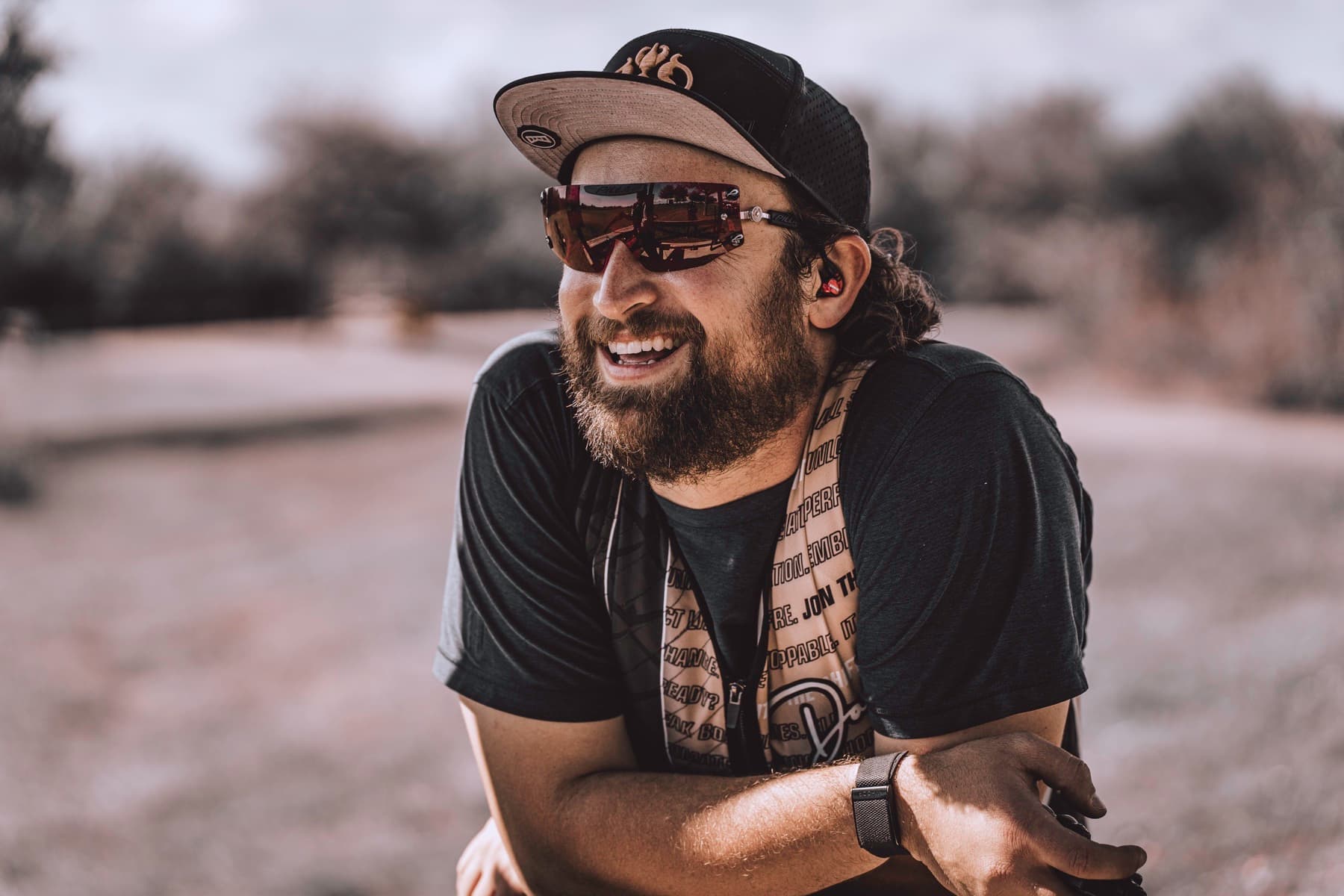
The Pause / 04
Before Correction
The job is not to correct too quickly.
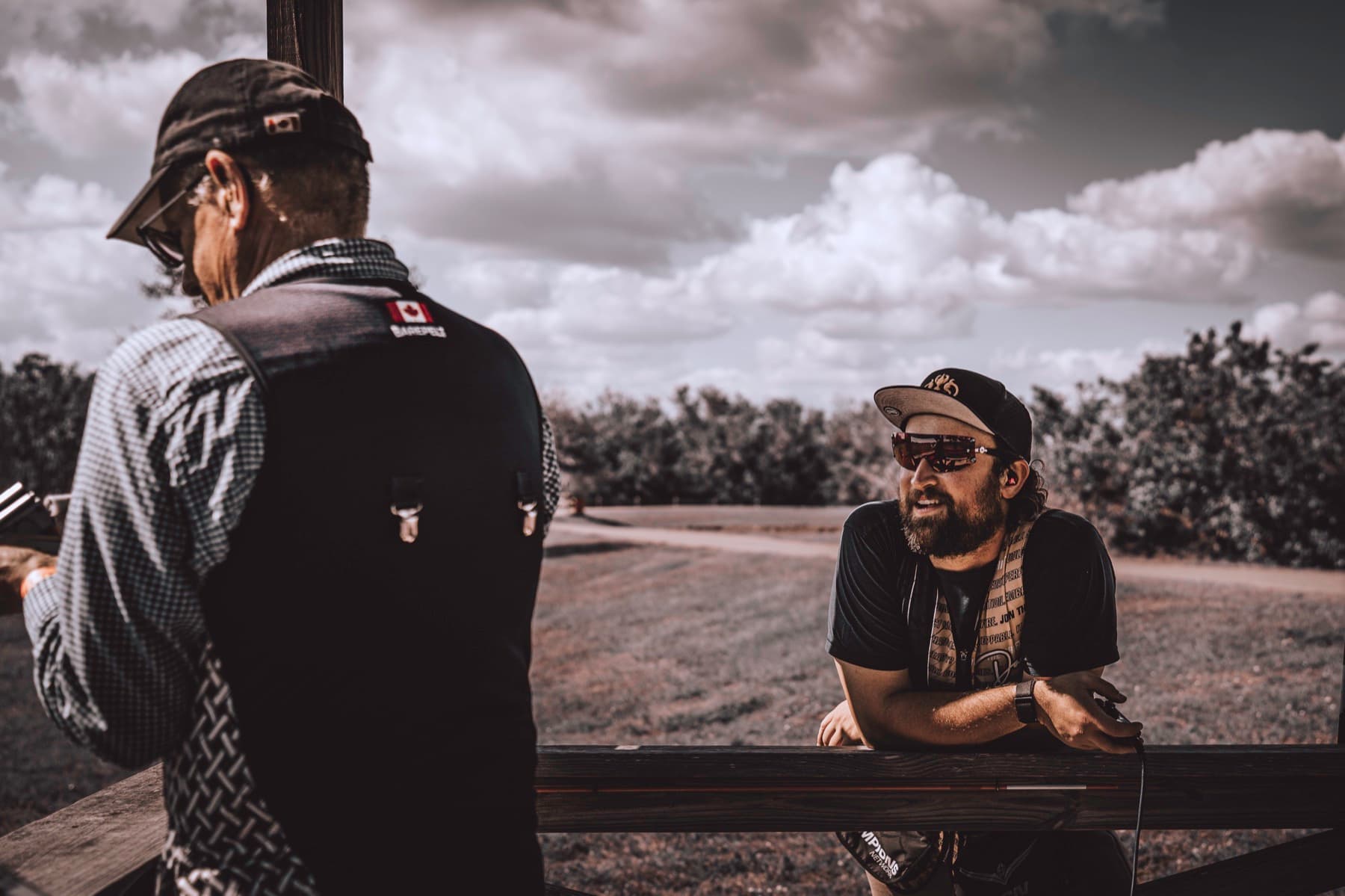
In coaching, I am not only watching where the gun goes. I am watching how the person organizes themselves around the task.
- Symptom
- The target is missed, the move changes, or the explanation arrives too quickly.
- Cause
- The useful answer may be breath, timing, visual attention, pressure, body tension, confidence, or a decision made too late.
The work is to stay with the moment long enough for the real cause to become clear.
Here’s what this means
Here’s what this means
Before Correction
This is one of the places where I think my coaching philosophy and my life philosophy are almost the same thing.
The job is not to correct too quickly.
That sounds simple, but it is hard. Especially if you care. Especially if someone is struggling. Especially if you can already see ten things that might be involved.
In a lesson, if I correct too fast, I may give the shooter a useful piece of information, but I might miss the real cause. I might fix the visible symptom and leave the deeper pattern untouched.
So I try to pause.
I watch. I ask questions. I listen to how the student explains the problem. I look at the body. The eyes. The timing. The pressure response. The equipment relationship. The way the student interprets what happened.
That same pause has become important in other parts of my life too.
I have had to learn that not every problem needs my immediate explanation. Not every emotion needs to be solved the second it appears. Not every piece of work gets better because I force it to move faster.
Sometimes the most respectful thing I can do is stay with the moment long enough to understand it.
That is where better coaching starts.
It is also where better communication starts.
And honestly, it is where a better version of me starts.
Teaching As Translation / 05
Teaching As Translation
Teaching, at its best, is the transfer of perception.
That is where teaching begins.
Not with a speech.Not with a method that belongs to me.Not with making the student dependent on my eyes.
Teaching, at its best, is the transfer of perception.
It is helping someone see what they are doing, why it is happening, and what they can trust when I am no longer standing beside them.
Here’s what this means
Here’s what this means
Teaching As Translation
Teaching, to me, is not just giving information.
It is helping someone inherit a better way of seeing.
I do not want a student to leave only knowing what I saw. I want them to leave with a clearer way to see themselves. I want them to understand what they are doing, why it is happening, and what they can trust when I am no longer standing beside them.
That is the real goal.
Not dependence.
Not performance theater.
Not making the coach look smart.
The real work is translation.
Taking something that is happening inside the shooter — something visual, physical, emotional, technical, or difficult to name — and translating it into language, awareness, and a process they can carry.
That same instinct shows up in almost everything I do.
When I interview someone, I am trying to help translate the deeper pattern underneath their story.
When I work on a brand or website, I am trying to translate the identity underneath the presentation.
When I work with Perazzi, I feel a responsibility to translate the soul of something that is often misunderstood because its deepest value lives in craft, feel, and human hands.
When I build The Champions Network, I am trying to translate a sport that has far more meaning, difficulty, personality, and beauty than most people can see from the outside.
Teaching is translation.
And translation, when it is done with care, is an act of respect.

The Field of Attention / 06
The Field of Attention
The Field of Attention is not escape from pressure. It is the pause where attention becomes clear enough to move.
The same way of seeing shapes the way I listen, the images I make, and the things I build.
In a conversation, the important thing is often not the first answer. It is the pause after it: the change in tone, the word someone avoids, the place where the story becomes less polished and more true.
Here’s what this means
Here’s what this means
The Field of Attention
The Field of Attention is not a place where pressure disappears.
It is the place where attention becomes clear enough to move.
That distinction matters to me.
I do not think mastery means escaping pressure, emotion, uncertainty, or complexity. I think mastery is learning how to stay present enough inside those things that you can still see what matters.
That has been true in shooting.
It has been true in coaching.
It has been true in my creative work.
It has been true in moments of my life where I had to slow down and look honestly at myself, not just at the thing I was trying to accomplish.
For a long time, I pushed very hard. I could throw myself into work, competition, building, problem-solving, trying to understand everything, trying to make something meaningful happen. That drive gave me a lot. It also cost me something at times.
Over time, I have learned that depth without presence can become pressure. Curiosity without stillness can become exhaustion. The desire to understand can become too heavy if it is not held with care.
So this idea of attention is not abstract to me.
It is how I try to come back to the center.
In a conversation, it means listening past the first answer.
In an image, it means waiting until the frame starts to tell the truth.
In coaching, it means seeing the person before correcting the shot.
In building, it means finding the identity before designing the surface.
The field of attention is the place where all of those become the same practice.

The Field Opens / 07
The Field Opens
Different forms. Same attention.
This is not biography first. It is the shared ground beneath the work.
They were never separate for me.
A shot, a student, a camera, a conversation, a piece of work: different forms, same attention.
If the question asks to be practiced, it belongs near Learn. If it asks to become a clearer public identity or digital system, it belongs near Make.
That is my way of seeing.
Here’s what this means
Here’s what this means
The Field Opens
This is where the whole site opens up.
Different forms. Same attention.
That line matters because it is the only way this website makes sense.
If someone only sees me as a shooter, they will miss the part of me that is trying to understand people.
If they only see me as a coach, they may miss the part of me that is drawn to beauty, craft, storytelling, and design.
If they only see the creative work, they may not understand that it comes from the same pressure-tested attention that shaped my life in competition.
If they only see the Perazzi work, they may not understand that what moves me is not just the brand, but the people, the hands, the history, the object, the feeling of a tool that carries someone’s life inside it.
If they only see The Champions Network, they may not understand that broadcasting is another form of care — another attempt to help the sport be seen with more dignity, context, and life.
None of these things were ever separate for me.
A shot.
A student.
A camera.
A conversation.
A shotgun.
A brand.
A broadcast.
A website.
They all ask the same thing from me:
Can I stay with this long enough to see what is really here?
That is my way of seeing.
And the rest of the site is just different doors into that same question.