
The Contact Sheet Wall

See what attention leaves behind.
See is the visual-work room, not a conventional photography portfolio.
It is a contact sheet of attention: the light that asked to be held, the posture before movement, the distance between two things, the edge of weather, the quiet proof that someone stayed long enough to notice.
Some images explain nothing. They simply keep the field open.
Here’s what this means
Here’s what this means
See what attention leaves behind.
This page is not meant to be a normal photography portfolio.
That matters to me because I have never really been interested in images only as proof that I can take a nice picture.
I am interested in what an image reveals about attention.
A photograph is evidence of what someone stayed with.
It shows what the eye returned to. What the body felt was worth holding. What light, posture, distance, weather, or stillness asked to be noticed.
In a strange way, photography feels very close to coaching for me.
In shooting, I am always trying to understand what the shooter is actually seeing, not just where their eyes are pointed. In photography, I am doing something similar with the world. I am asking what is really asking to be seen.
And when I build a brand, website, media system, or digital experience, I am still asking a version of that same question.
What should people notice?
What should they feel first?
What should come forward?
What should stay quiet?
What is present, but not yet visible enough?
That is why See belongs beside both Learn and Make.
It is not separate from the coaching or the building.
It is the eye underneath them.
It teaches restraint.
It teaches sequence.
It teaches how long something needs to be held before it becomes clear.
Some images do not need to explain themselves.
They simply keep the field open long enough for the viewer to feel that something is there.
I think I have spent a lot of my life trying to do that.
Keep the field open.
Stay long enough.
Let the thing reveal itself.
The field before action.
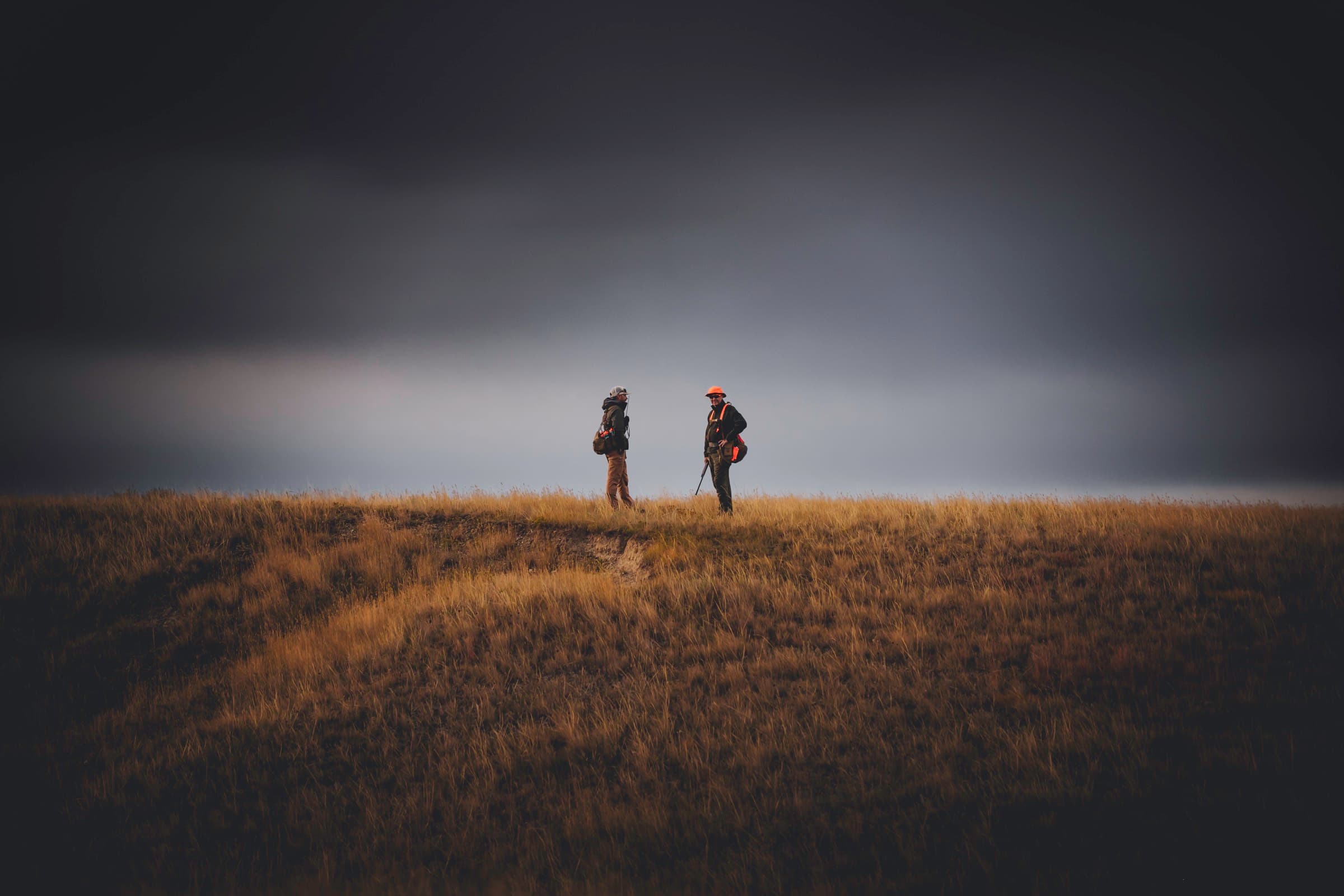
Stillness is not the absence of event. It is the room around it.
There is a kind of image that waits.
Not empty. Not decorative. Waiting.
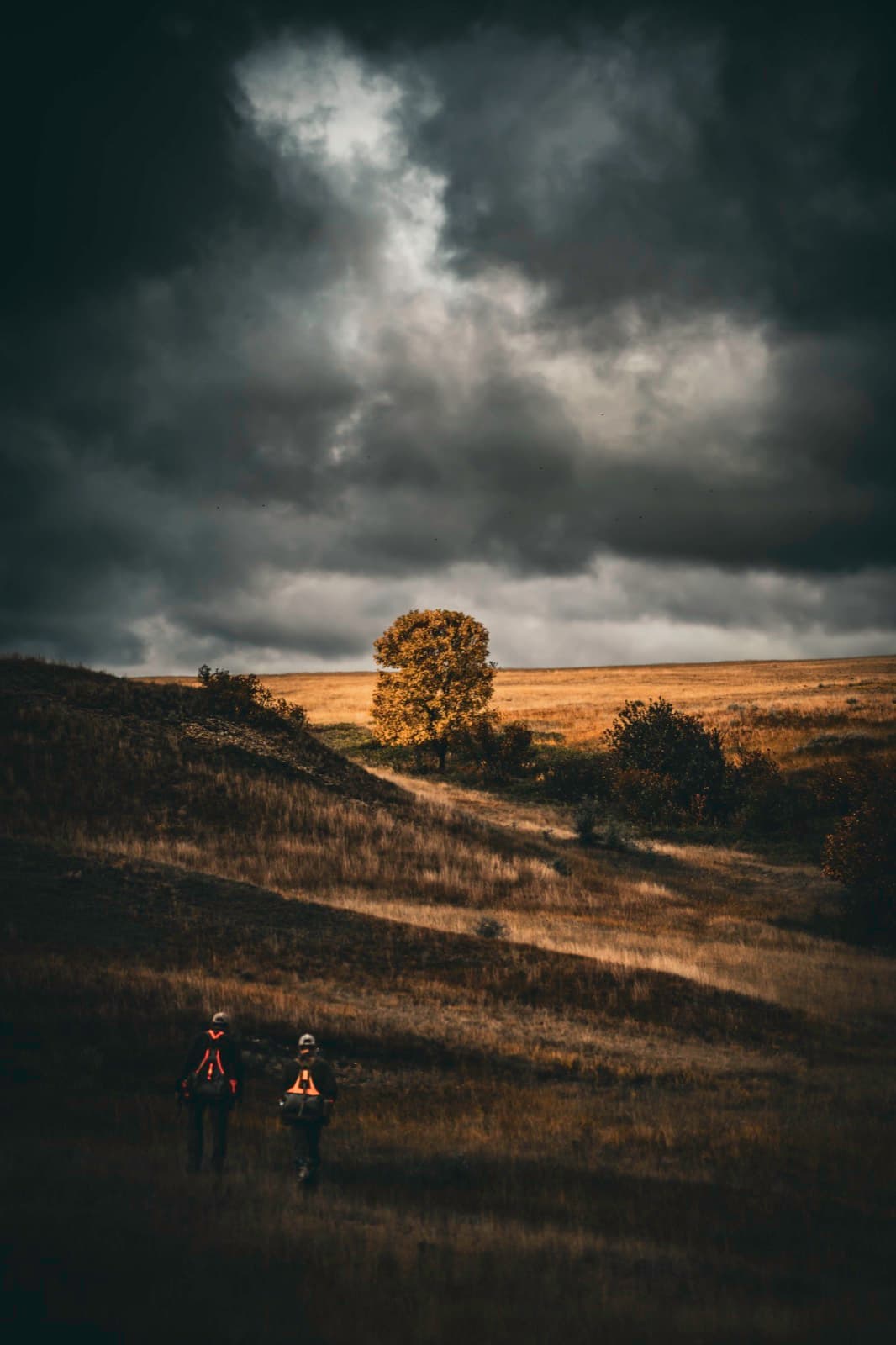
The field carries pressure before anyone names it. A line of trees can hold anticipation. A strip of light can make a place feel chosen. A quiet frame can show what a louder explanation would miss.
Here’s what this means
Here’s what this means
The field before action.
A lot of what matters happens before the obvious event.
Before the shot.
Before the move.
Before the call.
Before the result.
That is one of the deepest connections between shooting and photography for me.
A field can look empty if you are only waiting for action. But I have never experienced it as empty. The field before action already carries pressure, weather, possibility, hesitation, space, and the feeling that something is about to happen.
I think I am drawn to those moments because they feel honest.
They have not performed yet.
They have not become result yet.
They are still becoming.
In a lesson, I am not only watching the moment the shot breaks. I am watching everything that gathers before that moment: posture, breath, eyes, readiness, uncertainty, the way the shooter stands in the field before the target has even left the trap.
In a website or brand, I am watching the same kind of pre-action space. Before a visitor clicks, buys, books, trusts, or understands, the page has already begun shaping their attention. The spacing, imagery, language, hierarchy, and rhythm have already told them what kind of world they are entering.
That is why stillness matters to me.
Stillness is not nothing.
Stillness is the room around meaning.
It is the space where the event begins to organize itself before anyone else can see it.
Maybe that is why I like quiet frames.
They feel like the world before it explains itself.
- 01The field before the call.
- 02Light held at the edge of weather.
- 03Distance, not emptiness.
- 04The place where movement has not started yet.
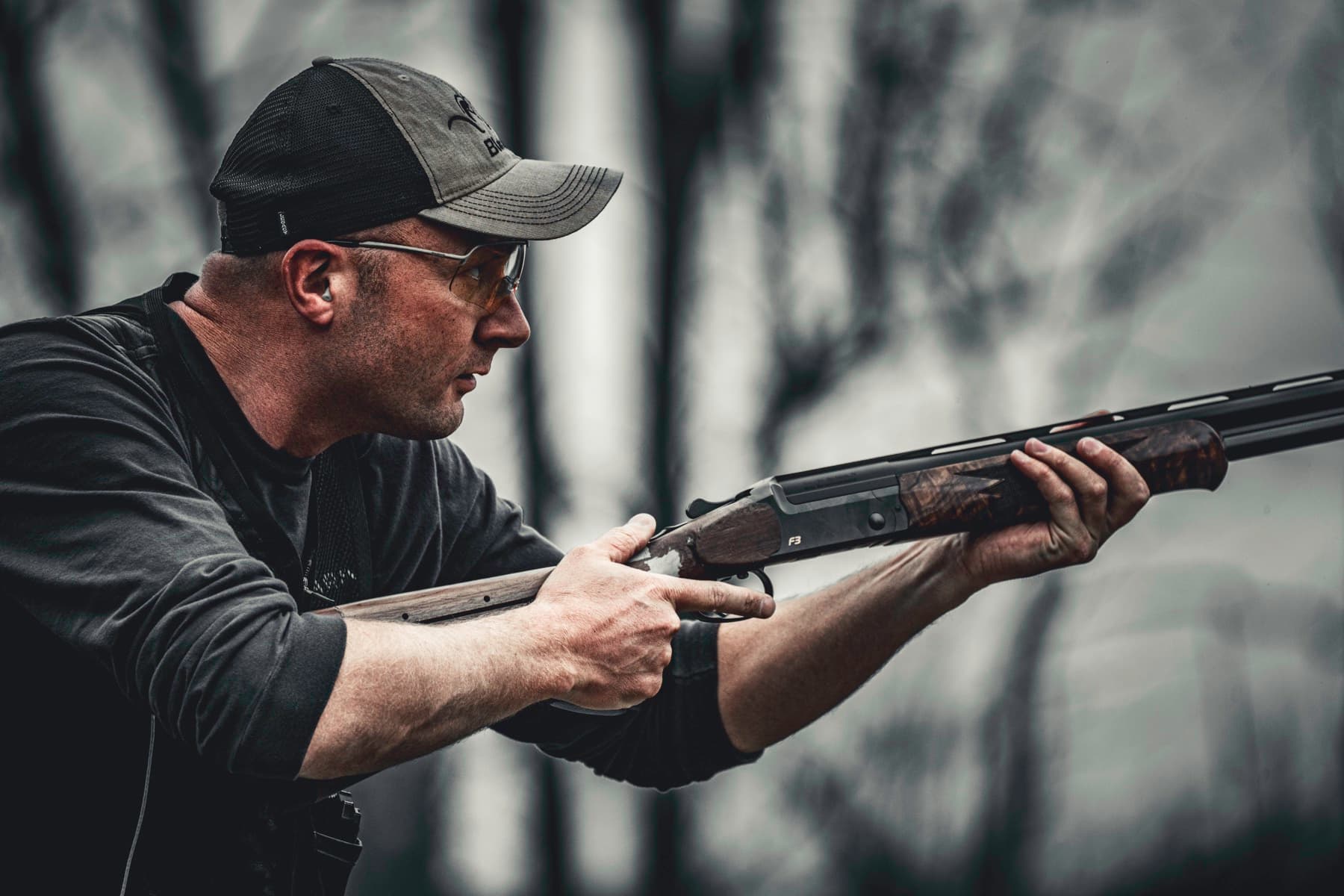
The body says what the result cannot.
In shooting, the eyes can be pointed at the target while the mind is somewhere else.
The same is true in an image.
Attention is visible in posture, tension, readiness, hesitation, ease, fatigue, and the small changes a person makes before they know they have made them.
These images should not explain performance. They should let the viewer feel how pressure enters the body before it becomes result.
Here’s what this means
Here’s what this means
The body says what the result cannot.
The body often tells the truth before the result does.
A shooter can break a target while still revealing doubt, tension, hesitation, or over-control. A shooter can miss a target while showing a better pattern than the result suggests.
That is why I pay attention to the body.
Posture, breath, readiness, fatigue, ease, grip, balance, and the small adjustments someone makes before they know they are making them — all of that matters. It gives information the score cannot always give.
I think this is part of why I am drawn to photographing people in moments where they are not performing for the camera.
A face can carry pressure.
Hands can carry history.
Posture can reveal trust, fatigue, confidence, discomfort, or presence before a person ever says a word.
A photograph can hold the moment before commitment. The moment pressure enters the body. The moment someone becomes readable. The moment the eyes are pointed somewhere, but the mind may be somewhere else.
That same idea applies to branding and websites.
A brand has posture too.
A website has posture.
A piece of marketing can feel tense, insecure, inflated, rushed, generic, or quietly confident before a person has read a single full paragraph. The body language of the work is already visible in the choices: what it overexplains, what it hides behind, what it pushes too hard, what it allows to breathe.
That is one of the reasons I care about visual work.
It trains me to see the state underneath the surface — in a shooter, in a person, in an image, and in a brand.
And honestly, I think that is a big part of who I am.
I am almost always trying to understand the state beneath the surface.
Not to expose it.
To honor it accurately.
- The breath before commitment.
- A body organizing around pressure.
- Where the eyes settle.
- The moment the person becomes readable.
Objects carry decisions.
A gun, a lens, a notebook, a website, a field marker, a microphone, a rib line, a worn grip.
Objects become meaningful when they reveal how someone thinks.
Craft is not polish here. It is arrangement: what comes forward, what recedes, what carries weight, what is trusted, and what has been handled long enough to become part of the body.
- The object as a record of use.
- Weight, balance, touch.
- A tool made visible by attention.
- The decision inside the material.
Here’s what this means
Here’s what this means
Objects carry decisions.
Objects are not just objects to me.
A gun, a lens, a notebook, a microphone, a field marker, a worn grip, a rib line — they all carry decisions.
They show what someone trusts. What they return to. What they have adjusted over time. What has been handled enough to become familiar. What has become part of the way they move through the world.
I think this is why certain tools have always felt emotional to me.
Not because they are expensive.
Not because they are impressive.
Because they carry relationship.
A shotgun is never only a shotgun to someone who has spent a life with it. It holds memory, pressure, confidence, doubt, fitting, adjustment, failure, breakthrough, rhythm, identity, and trust.
A camera can be the same way.
So can a notebook.
So can a website, if it is built with enough care.
In shooting, equipment changes balance, perception, confidence, timing, and trust. A shotgun can become an extension of the body, or it can quietly distort the relationship between the shooter and the target.
The same is true in design.
A logo, a typeface, a button, a page transition, a camera angle, a caption, a menu label, a section title — none of those are neutral. They all carry decisions. They tell the visitor what kind of attention the work is asking for.
That is why I photograph details.
Not because they are decorative.
Because details reveal the larger system.
A tool shows how someone thinks.
A surface shows what a brand values.
A physical object shows what has been trusted over time.
And in the right frame, a small detail can explain the whole world around it.
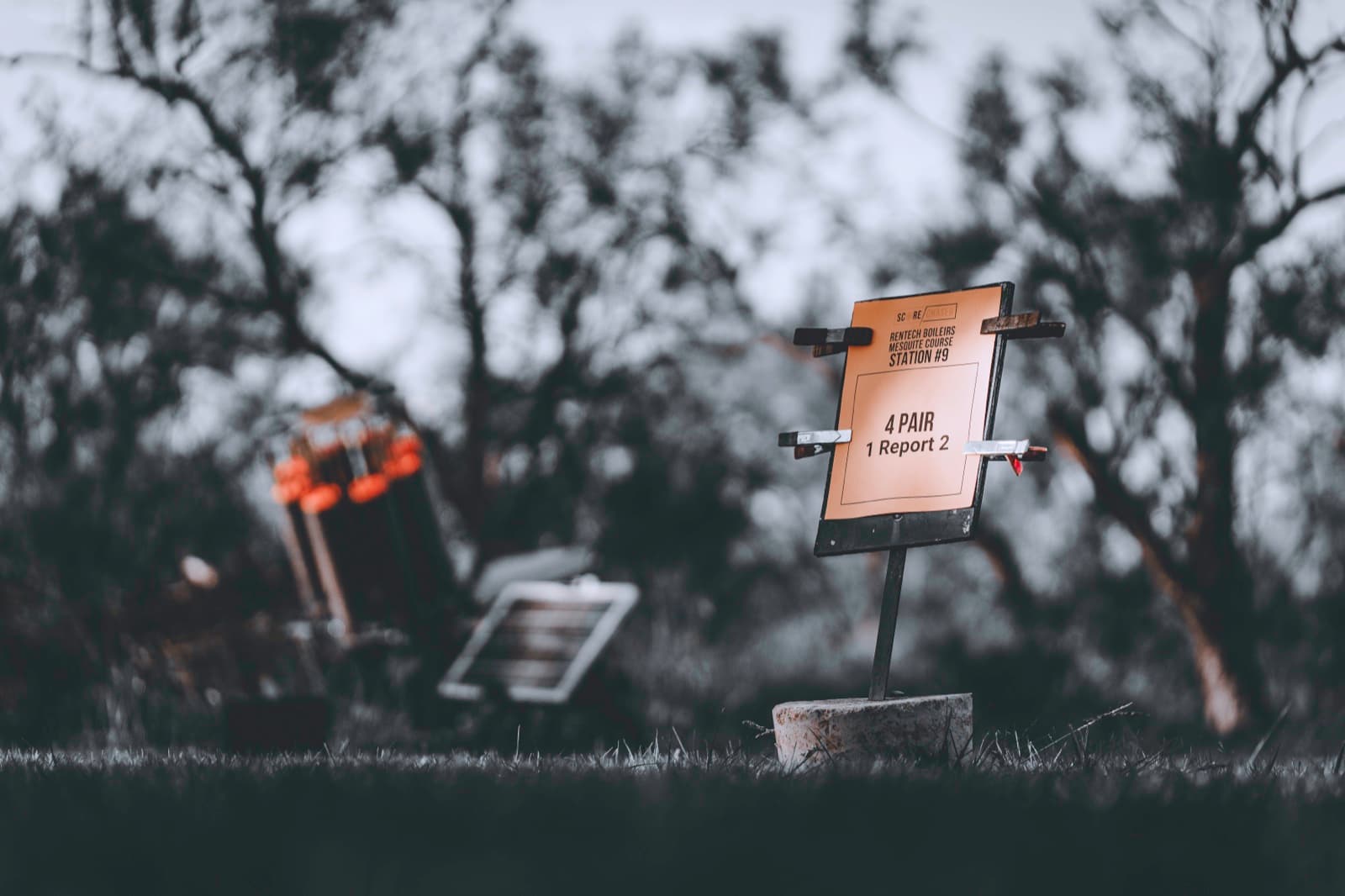
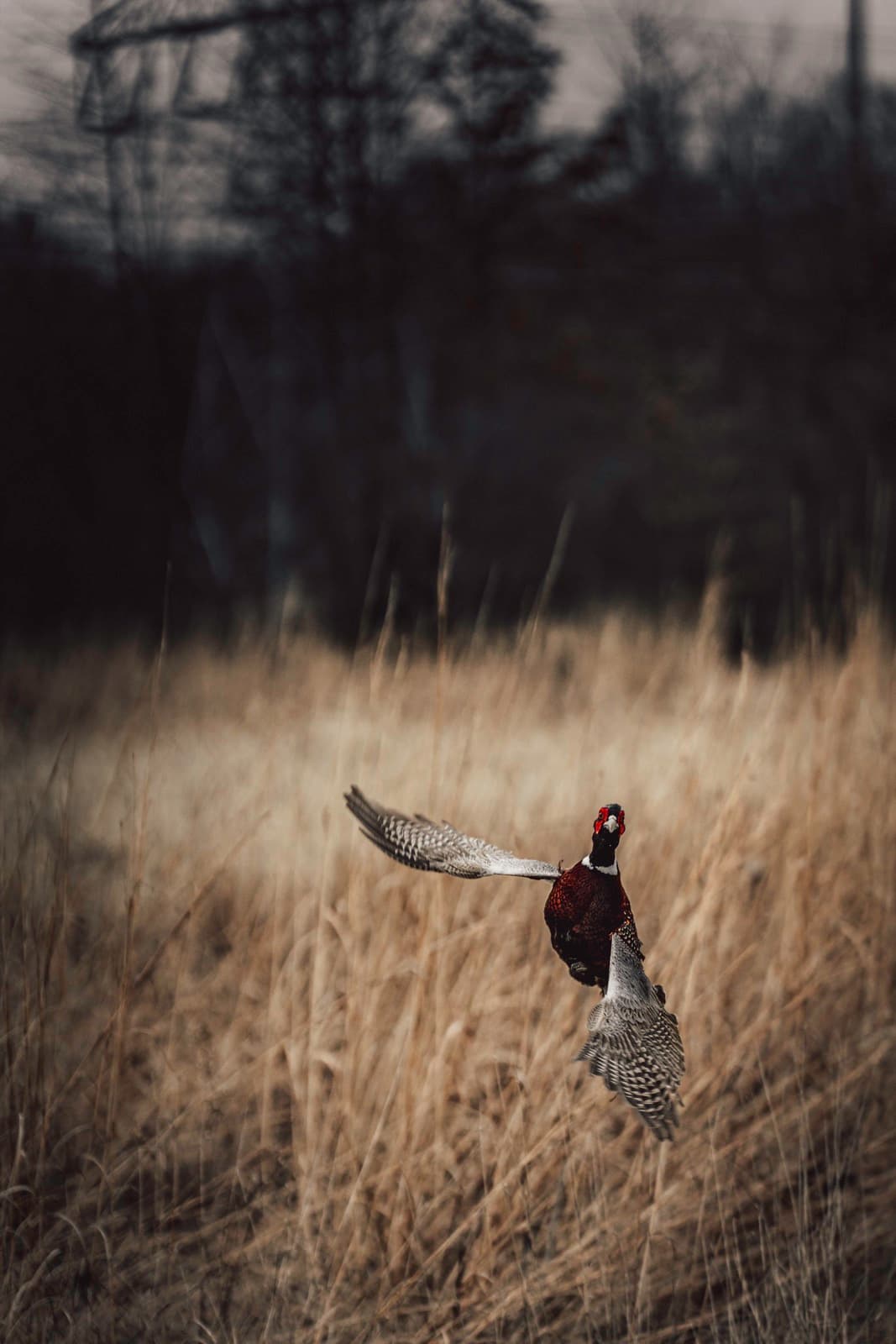
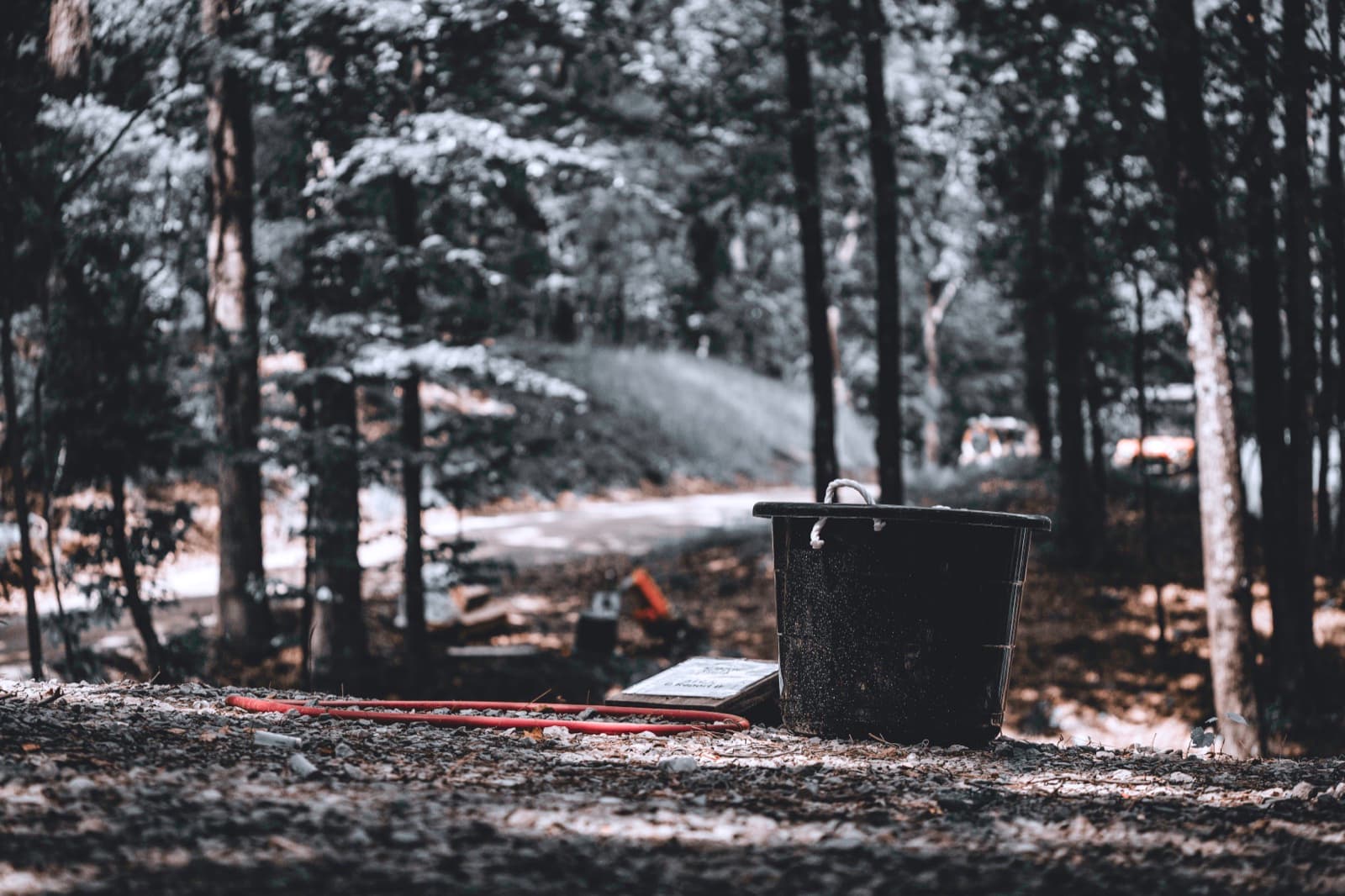
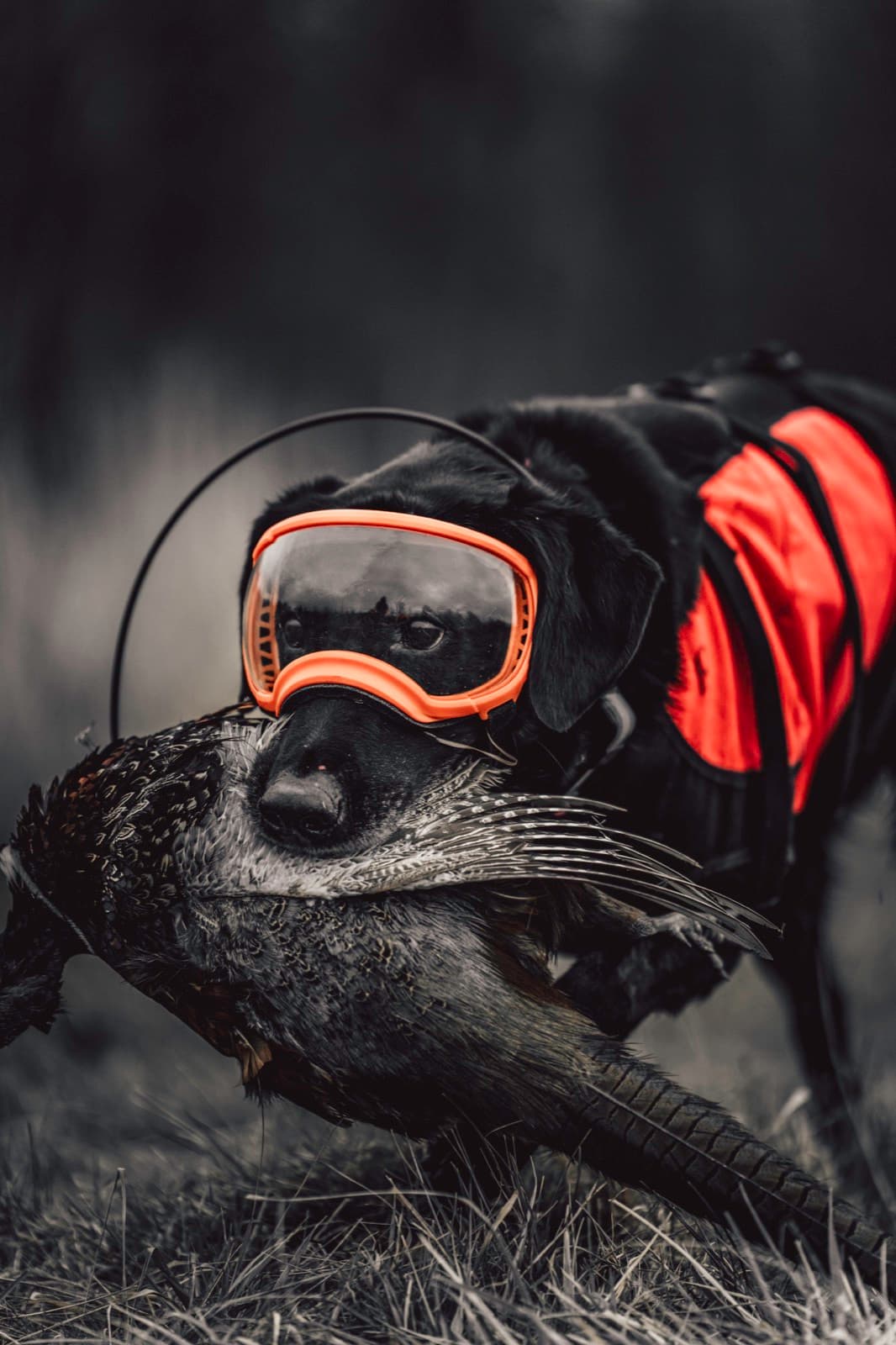
What one image cannot hold.
An image can become memory before it becomes explanation.
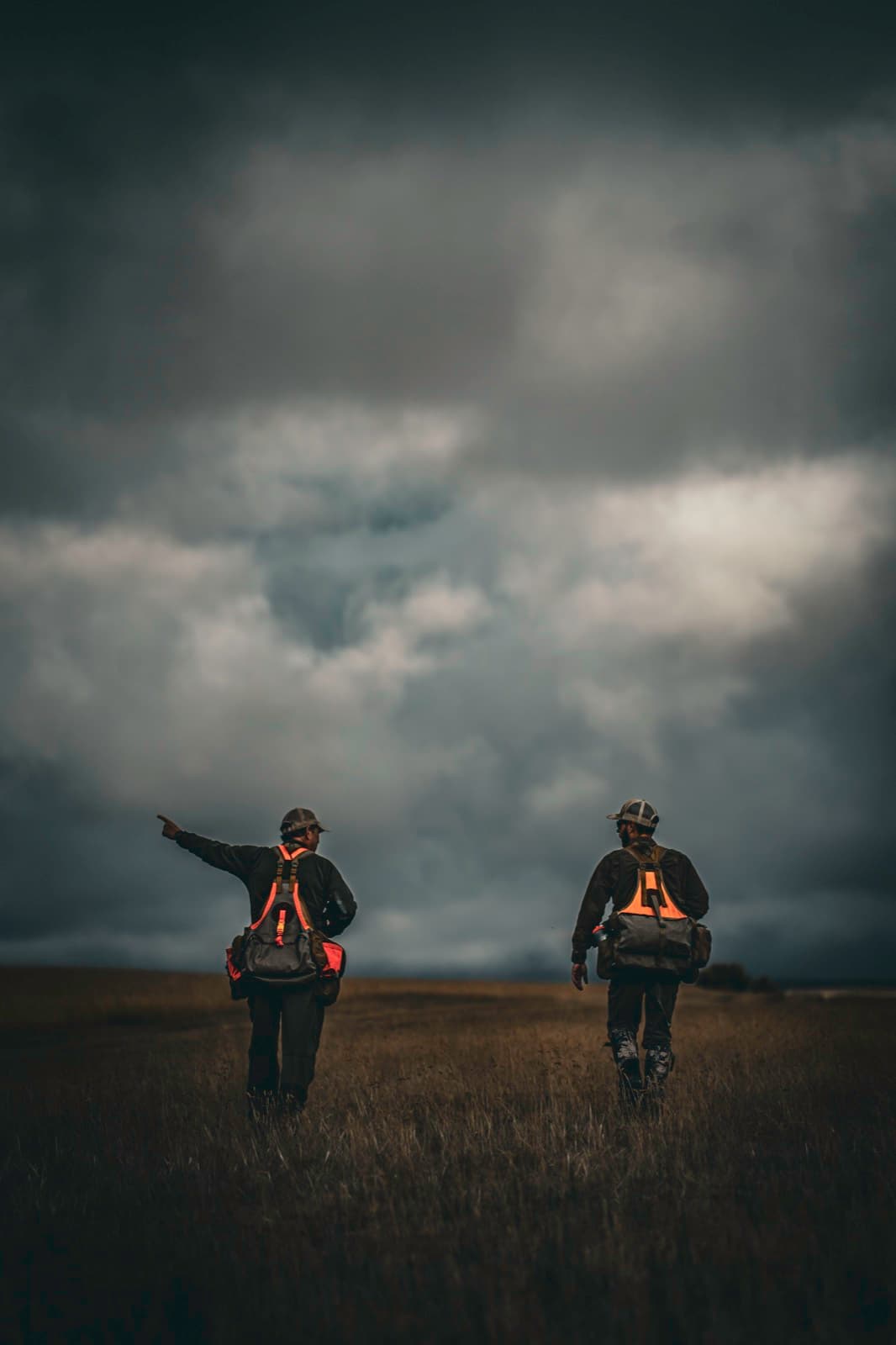
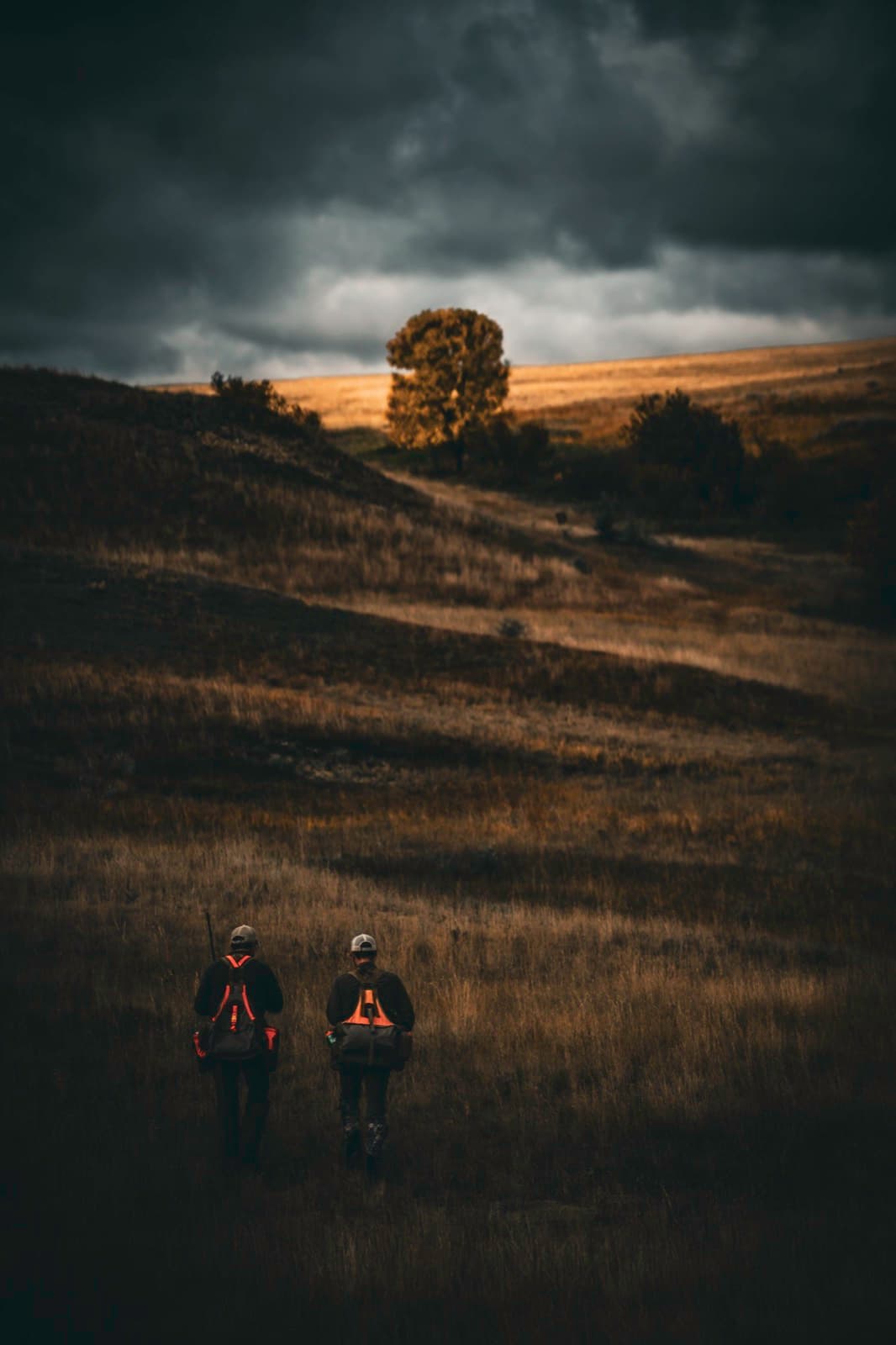

Some seeing happens in sequence.
The first frame establishes the field. The second reveals pressure. The third catches the turn. The fourth is quieter because the event has already changed.
This is where See begins to lean toward Remember. Images become evidence. Evidence becomes language. Language becomes a way to return.
Here’s what this means
Here’s what this means
What one image cannot hold.
Some things cannot be understood in one frame.
You need sequence.
Before.
During.
After.
What stayed.
That is true in shooting, and it is true in image-making.
One target does not always tell the whole story. One miss does not always explain the pattern. One good result does not always prove the process. You have to watch how things change across time.
I think I have always been sensitive to sequence.
The way one moment prepares another.
The way pressure builds before anyone names it.
The way a conversation shifts after the first honest answer.
The way a brand becomes clearer only after the wrong things finally fall away.
A sequence lets you see relationship.
The first frame establishes the field. The second reveals pressure. The third catches the turn. The fourth shows what remains after the event has already changed.
That is also how a website works.
A single page section cannot always carry the full meaning. A visitor has to be led through a sequence: atmosphere, orientation, proof, explanation, invitation. The order matters because understanding happens over time.
That is what connects See to Make.
A visual sequence teaches the same lesson as a strong digital experience: do not show everything at once. Let the viewer arrive. Let one thing prepare the next. Let the important material appear when the visitor is ready to receive it.
This is where seeing becomes memory.
And memory becomes language.
And language becomes structure.
That is not only how I make images.
It is how I try to make meaning.
Here’s what this means
Here’s what this means
Writing that returns to seeing.
Writing is another way of seeing.
I do not think I fully understood that for a long time.
Sometimes an image holds something before I have language for it. Later, the writing lets me return to that thing and understand what I was actually noticing.
That happens to me in coaching all the time.
I can feel a pattern in a lesson before I can fully explain it. I can sense that something is happening in a shooter’s attention, body, timing, or trust, and the writing helps me go back and find the language for it.
That is especially true with visual focus.
In shooting, “look at the target” sounds simple, but it is not. The eyes can be pointed at the bird while attention is really on the gun, the gap, the score, the last miss, or the fear of making another mistake.
That same problem exists in branding and marketing.
A brand can be visible without being understood.
A website can be full of information without directing attention.
A campaign can say all the right things and still fail to make the audience feel what matters.
So the writing matters because it helps name what the image, the performance, or the brand is already circling. It gives language to the pattern. It turns attention into something the viewer can return to.
A photograph can show the feeling.
Writing can help name the structure.
Both are ways of teaching people how to see.
And for me, both are ways of returning to something that felt important before I knew exactly why.
Visual attention becomes digital composition.
The same practice that shapes an image can shape a website, a brand system, a broadcast surface, or a digital experience.
Design decides where attention goes.
It decides what feels honest, what feels false, what should be close, what should be withheld, and how quickly someone should be allowed to understand.
See is the visual ground beneath Make.
Here’s what this means
Here’s what this means
Visual attention becomes digital composition.
This is the section where See connects most directly to Make.
The same instinct that shapes a photograph can shape a website, a brand system, a broadcast surface, or a digital experience.
A photograph decides what comes forward. What stays quiet. What the viewer notices first. What carries tension. What creates space. What should be understood immediately and what should be discovered slowly.
A page does the same thing.
Design is not only style.
It is attention arranged in sequence.
When I build a website or shape a digital experience, I am still asking visual questions:
Where should the eye go first?
What should feel close?
What should be withheld?
What should carry weight?
What should the visitor feel before they understand?
What should become clear only after they have stayed with it?
This is why See is the visual ground beneath Make.
Image-making teaches composition, restraint, hierarchy, rhythm, and patience. It teaches me how to decide what the viewer is allowed to know first, and what they should be invited to discover later.
The same thing matters in coaching.
A good lesson also has composition. You cannot give the shooter everything at once. You have to decide what matters now, what can wait, and what the student is ready to notice.
That is the shared discipline:
Arrange attention carefully enough that the truth has a chance to appear.
I think that sentence probably explains more about me than I realized.
Whether I am holding a camera, coaching a shooter, building a page, interviewing someone, or trying to understand a brand, I am usually trying to arrange attention carefully enough that the truth has a chance to appear.
Look until the frame changes.
The point is not to collect images.
The point is to practice attention until the ordinary surface starts to carry more information.
Here’s what this means
Here’s what this means
Look until the frame changes.
The point is not to collect images.
The point is to practice attention.
When you look long enough, the frame changes. Not because the scene necessarily changes, but because your relationship to it does. The ordinary surface starts to hold more information. The quiet part becomes louder. The thing you would have passed by starts to reveal why it was asking to be seen.
That is the same skill I value in coaching.
A shooter may think they know what happened after one target. But if we look longer, the frame changes. The miss becomes information. The body becomes readable. The target demand becomes clearer. The pattern starts to show itself.
It is also the same skill I use when building a brand or website.
At first, a brand may look like it needs better visuals, better copy, better structure, or a cleaner website. But if we look longer, the frame changes. The deeper issue may be identity, hierarchy, trust, audience confusion, weak proof, or a lack of emotional center.
I think this is one of the reasons I have a hard time staying on the surface of things.
Sometimes that has probably made me seem too intense, too analytical, or too unwilling to accept the simple answer.
But from the inside, it has always felt more like devotion.
I want to understand what is really there.
I want to know what the thing is asking to become.
I want to look until the frame changes.
Seeing is not just receiving an image.
It is staying with something until it becomes more true.
That is what this page is about.
It is the visual practice underneath both Learn and Make: the ability to look past the surface, stay with what is there, and recognize the hidden structure asking to be made visible.