
The Pressure Field
Pressure reveals what is actually trusted.
Competition removes the extra story.
Here’s what this means
Here’s what this means
Pressure reveals what is actually trusted.
Competition has a way of removing the extra story.
That is one of the most beautiful and uncomfortable things about it.
In practice, you can believe a lot about yourself. You can believe you trust the target, trust the move, trust the plan, trust the gun, trust your preparation. You can build a whole story around who you think you are as a competitor.
Then the target starts to matter.
And pressure asks what is actually available.
Not what you know.
Not what you meant to do.
Not what you can explain afterward.
What is actually there when the moment arrives?
That question has shaped me for most of my life.
It has given me confidence, and it has humbled me. It has shown me the parts of myself I could trust, and the parts I was only hoping were true. It has taught me that trust is not a concept. It is something the body has to be able to access when consequence enters the field.
That is what I mean when I say pressure reveals what is trusted.
It does not only reveal whether someone can break a target.
It reveals whether the shooter can still see, move, decide, and commit when the result matters.
That matters to me as a coach because pressure gives us information we cannot always get in easy conditions.
It also matters to me as someone building brands, websites, and media systems. Public attention creates a kind of pressure too. When a brand steps into the open, the extra story falls away. The audience can feel what is trusted, what is overexplained, what is hiding, what is inflated, and what actually has weight.
Pressure clarifies.
In sport, in coaching, in media, and in public identity, it reveals what the work can truly stand on.
IIThreshold
The target still has to be seen. The body still has to move. The decision still has to arrive before the shot. The hand cannot be talked into trust at the breakpoint.
Move is where David's work in pressure, performance, attention, and movement becomes visible.
Not as a trophy wall.
As evidence of a field tested under consequence.
Here’s what this means
Here’s what this means
Move threshold
This section is about the moment where theory has to become motion.
The target still has to be seen.
The body still has to move.
The decision still has to arrive before the shot.
You cannot talk your hand into trust at the breakpoint.
That is one of the most honest things about competition. At some point, the explanation ends and the act has to happen.
I have lived so much of my life at that threshold.
The space between understanding and execution.
The space between what I know and what I can actually do when it matters.
The space between the person I think I am and the person pressure reveals.
As a coach, I am interested in that threshold because it tells the truth. What preparation actually made it into the body? What did the shooter understand before the call? What did they try to solve too late? What did pressure expose?
Move is not here as a trophy wall.
It is here because competition gives the philosophy consequence.
It proves whether an idea can survive the field.
From a brand and media perspective, this matters because any public-facing work has the same threshold. A brand can have beautiful language, strong intentions, and an impressive backstory, but eventually it has to enter the world and be understood by real people. A broadcast has to explain the sport while the sport is moving. A website has to guide attention while the visitor is deciding whether to care.
The work becomes real when it has to move.
IIIRecord as evidence
The proof is real. It is not the whole point.
Titles are evidence of depth, not the soul of the page.
The conservative official record already carries weight:
Here’s what this means
Here’s what this means
The proof is real. It is not the whole point.
The record matters.
I do not want to pretend it does not.
Those titles represent years of pressure, training, travel, failure, recovery, repetition, and refinement. They represent a huge part of my life. They represent the mornings, the travel days, the bad rounds, the doubt, the discipline, the obsession, the adjustments, the lonely parts, the moments when the work felt beautiful, and the moments when it felt like it was asking more from me than I knew how to give.
They are part of the evidence that the ideas on this page have been lived, not just thought about.
But the record is not the whole point.
If I lead with the trophies as the center of the story, the deeper meaning gets smaller.
The titles are proof.
They are not the soul of the work.
The deeper story is what those titles required: learning how to stay clear under pressure, how to rebuild trust, how to understand movement, how to recover from bad rounds, how to keep learning after success, and how to translate that experience into something useful for other people.
That is also how I think about brand proof.
Proof matters. Results matter. Credibility matters. But proof should deepen the story, not replace it. A brand that only shows achievement can still fail to communicate meaning.
The question is not only, “What have you done?”
The better question is, “What does the proof reveal about the depth of the work?”
For me, the record is not there to ask for admiration.
It is there to say:
This was earned inside the thing I am trying to explain.
- World FITASC Champion
- 2x World Cup Champion
- 14x World Junior Champion
- 15x Member of Team USA
- 3x Continental FITASC Champion
- 4x National FITASC Champion
- 3x US Open Champion
IVWhat pressure changes
The same target is not always the same target.
Pressure changes people.
It can change pace, breath, posture, perceived target speed, timing, hand speed, visual detail, commitment, and trust.
The round does not only ask whether the shooter can break the target. It asks which version of the shooter appears when the target starts to matter.
Some pressure comes from score.
Some comes from expectation.
Some comes from memory, grief, fatigue, weather, squad energy, or the story the shooter places on a shot before calling pull.
The shot becomes harder when the value placed on it grows larger than the act itself.
Here’s what this means
Here’s what this means
The same target is not always the same target.
This is one of the most important ideas in performance.
The target may be physically identical, but the shooter is not always meeting it from the same state.
In practice, it may look slow.
In competition, it may look faster.
On the first station, it may feel simple.
With a score on the line, it may feel completely different.
With fatigue, expectation, weather, squad energy, memory, fear, grief, pride, or identity attached to it, the same target becomes a different experience.
That is why pressure matters.
It changes perception before it changes the score.
I have felt this in my own shooting more times than I can count. The target was not different. I was different. My state was different. The value I had placed on the shot was different. The pressure around it changed the way I experienced something I already knew how to do.
That is a humbling thing to admit.
But it is also the doorway into real performance work.
As a coach, I do not only want to know whether the shooter can break the target. I want to know which version of the shooter appears when the target starts to matter. What happens to their eyes? Their pace? Their posture? Their timing? Their trust?
The same idea applies to brands and media.
A brand is not the same thing in private as it is in public. A message is not the same when no one is watching as it is when an audience has to understand it. A website is not the same as an internal document. Once something enters public attention, consequence changes the experience.
The work is to understand what changes under pressure, then build a system that can still remain clear.
VMovement under consequence
The body tells the truth before the score does.
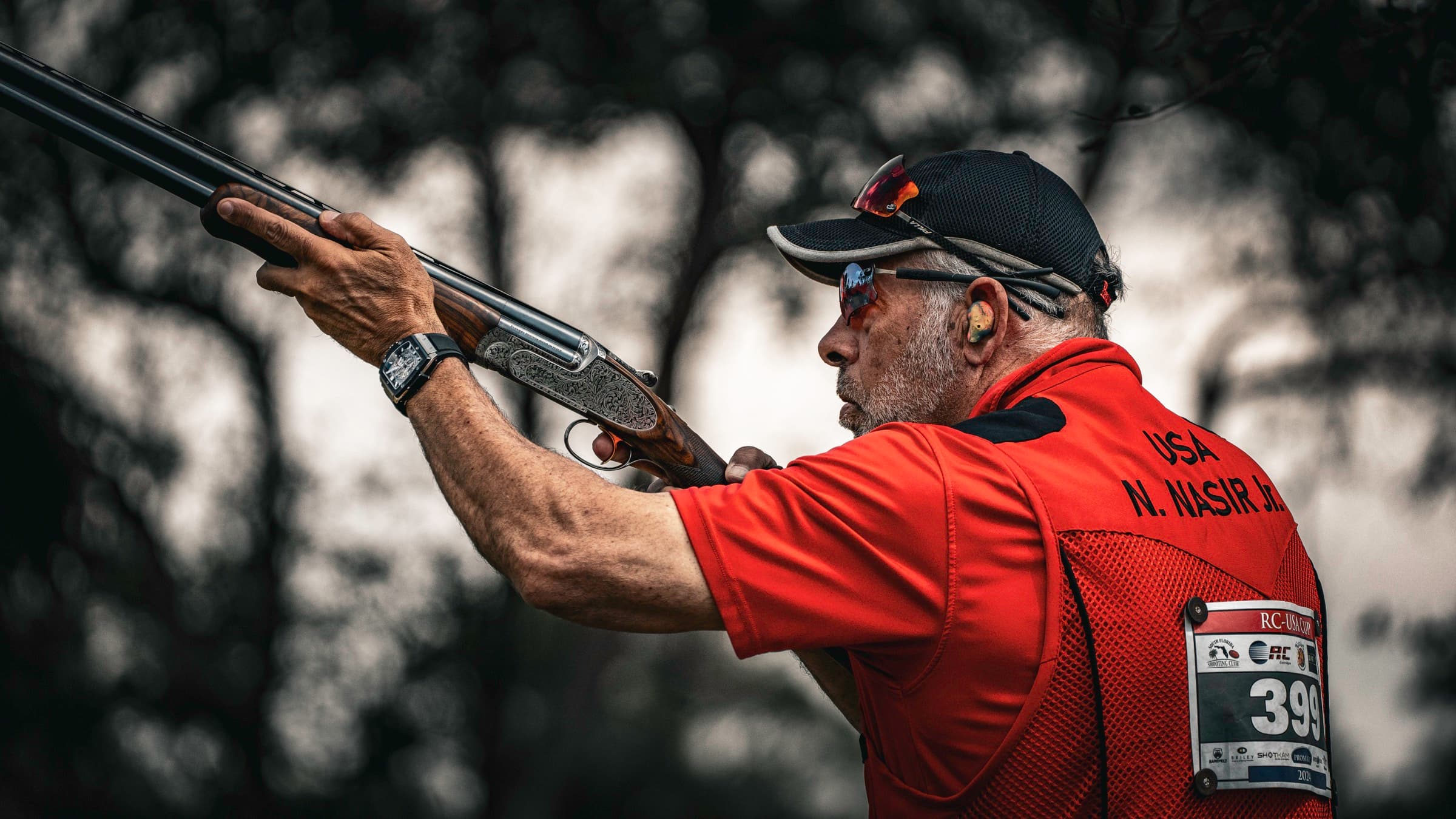
A good move is not only a technical shape.
It carries attention, confidence, timing, balance, visual connection, and the amount of pressure the shooter has allowed into the body.
When the mind tries to make sure, the eyes often leave the target. The gun becomes separate. The move becomes conscious, defended, late, or forced.
The best movement feels simpler than the pressure around it.
It is not careless. It is prepared enough to be free.
Here’s what this means
Here’s what this means
The body tells the truth before the score does.
The score is late information.
The body often knows first.
Before a target is broken or missed, the body has already shown something: readiness, hesitation, tension, trust, fatigue, over-control, timing, or fear. A shooter’s body can reveal whether they are truly connected to the target or whether they are trying to manage the shot from the outside.
That is why movement matters so much to me.
A good move is not only a technical shape.
It carries attention, confidence, timing, balance, visual connection, and the amount of pressure the shooter has allowed into the body.
I have spent a lifetime learning that the body often tells the truth before the mind is ready to explain it. Sometimes the body reveals doubt. Sometimes it reveals trust. Sometimes it reveals a shooter trying to protect themselves from the thing they are doing. Sometimes it reveals freedom before the shooter even knows they are free.
When the mind tries too hard to make sure, the eyes often leave the target. The gun becomes separate. The move becomes defended, late, conscious, or forced.
This matters beyond shooting too.
A brand has body language.
A website has body language.
A broadcast has body language.
A piece of marketing can feel relaxed, rushed, confident, needy, elegant, confused, inflated, or honest before anyone has analyzed why.
The body of the work tells the truth before the explanation does.
In shooting, I read the movement.
In design and media, I read the posture of the system.
In both, I am looking for the moment where the thing stops performing and starts telling the truth.
VIThe field gives language back
The field gives language back.
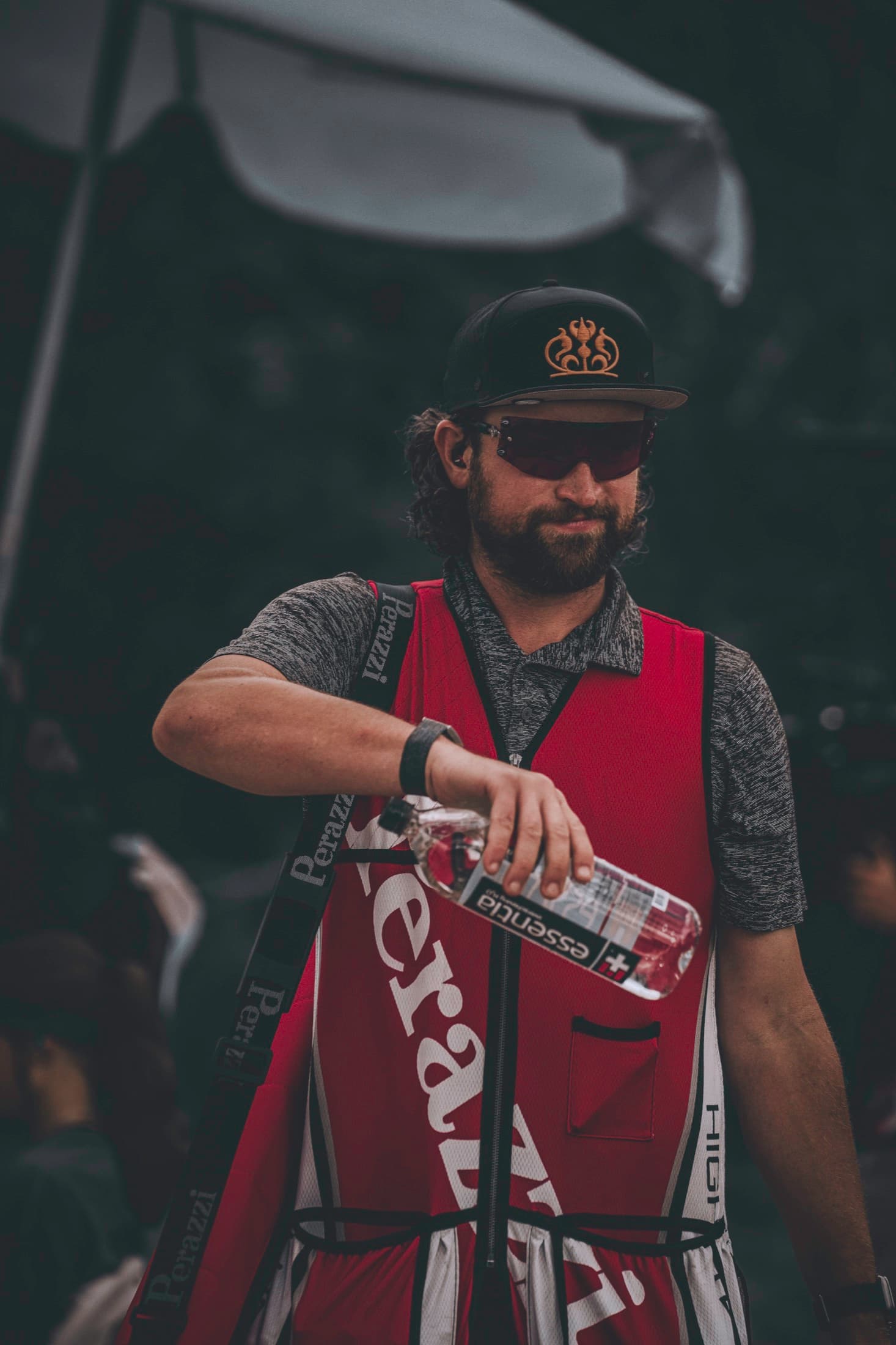

Competition gives David more than results.
It gives him pressure data. It gives him movement memory. It gives him personal evidence for how attention narrows, how trust changes, how the body reacts, and how a shooter can recover when the round begins to lean the wrong way.
That experience becomes useful only when it can be translated.
This is the bridge from Move to Learn: pressure-tested attention becoming a teaching language.
The lesson is not that pressure disappears. The lesson is what remains usable inside it.
Here’s what this means
Here’s what this means
The field gives language back.
Competition gives me more than results.
It gives me language.
It gives me pressure data. It gives me movement memory. It gives me the lived feeling of attention narrowing, trust changing, the body reacting, and the round beginning to lean the wrong way. It gives me the experience of having to recover while the event is still happening.
That experience becomes useful only when it can be translated.
I think this is one of the reasons I have always been drawn to coaching, writing, interviews, and media. I do not just want to experience something. I want to understand what it gave me. I want to find the language for it. I want to make the invisible part usable for someone else.
As a coach, that is the bridge from Move to Learn.
The field teaches me something under pressure, and then I have to find language for it so another shooter can understand their own version of the same thing.
That is also the bridge into media and brand work.
A sport becomes more valuable when someone can explain what is actually happening. A brand becomes stronger when its internal truth can be translated without becoming generic. A website becomes better when the hidden structure of the work becomes legible to a visitor.
Translation is the work.
Not simplification.
Translation.
Taking something that is felt, lived, technical, emotional, or difficult to explain — and giving it a form that another person can enter.
That has become one of the deepest patterns in my life.
The field gives me something.
Then I try to give it language.
VIIMedia and public field
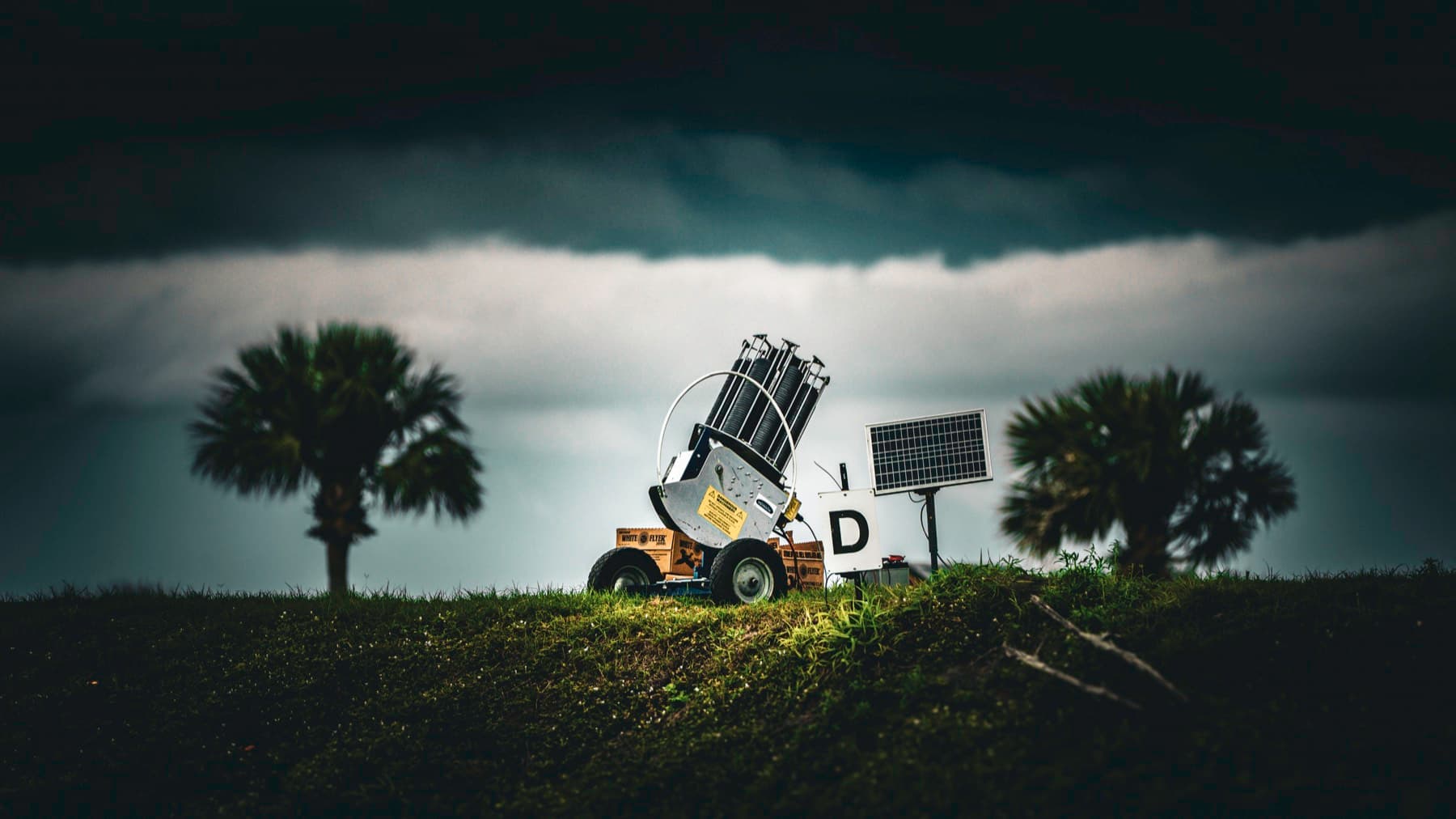
The sport being seen in public.
The competitive field also becomes media: interviews, podcasts, live coverage, sport analysis, coaching conversations, and The Champions Network as part of the wider media field around the sport.
That work belongs here because competition does not end at the score sheet.
The modern sport also has to explain itself: to shooters, viewers, clubs, students, and the next generation of competitors. If the question is media-specific, the path stays practical and goes through the media inquiry door.
Here’s what this means
Here’s what this means
The sport being seen in public.
Sporting clays deserves to be seen more completely.
That is not a marketing line to me.
It is personal.
I have spent my life inside this sport, and I know how much is happening that most people never get to see. The sport is not just scores, targets, guns, and winners. There is strategy, pressure, personality, course design, equipment, decision-making, rhythm, and a lot of invisible work happening inside every event.
But if the media system does not know what to look for, the sport becomes smaller in public than it really is.
That has always bothered me.
Not because I want the sport to become something else.
Because I want people to see more of what is already there.
That is why broadcasting, commentary, interviews, podcasts, and The Champions Network matter to me.
They are not just content.
They are translation systems.
They help the audience understand why a moment matters, why a target is hard, what pressure is doing, what a shooter is solving, and what story is unfolding while the event is still alive.
This connects directly to both coaching and brand work.
A coach helps a shooter understand their own performance.
A media system helps an audience understand the sport.
A brand system helps the public understand the identity behind the work.
In all three, the task is the same:
Make the important thing visible without flattening it.
That is the line I care about.
Visibility without flattening.
Attention without distortion.
Explanation without reducing the soul of the thing.

IXPractice close
Bring pressure back into practice.
If pressure keeps changing your shooting, do not begin by asking only how to calm down.
Begin by asking what pressure is changing.
What happens to your eyes?
Your body?
Your decision?
Your pace?
Your trust?
Your plan?
That is where coaching can begin.
Here’s what this means
Here’s what this means
Bring pressure back into practice.
This is the practical turn.
If pressure keeps changing your shooting, do not only ask how to calm down.
Ask what pressure is changing.
What happens to your eyes?
Your body?
Your pace?
Your decision?
Your trust?
Your plan?
That is where coaching can begin.
Pressure is not something to talk about only after it ruins a round. It has to become part of the practice conversation. If the real failure pattern appears under pressure, then practice has to make that pattern visible before competition exposes it again.
I believe this because I have had to learn it myself.
The parts of your game that fail under pressure are not always fixed by easier practice. They are fixed by understanding what the pressure is exposing and then building a practice environment honest enough to show you the same variable before it costs you.
The same is true in public-facing work.
If a brand becomes unclear when it has to explain itself, bring that pressure back into the design process. If a website fails when a visitor has to make a decision, bring that pressure back into the structure. If a media system fails to help the audience understand what matters, bring that pressure back into the way the story is built.
Pressure shows where the system is weakest.
That is not a problem.
That is where the work begins.
Not because pressure is the enemy.
Because pressure tells the truth.