
The Living Index
Remember is where attention becomes language.
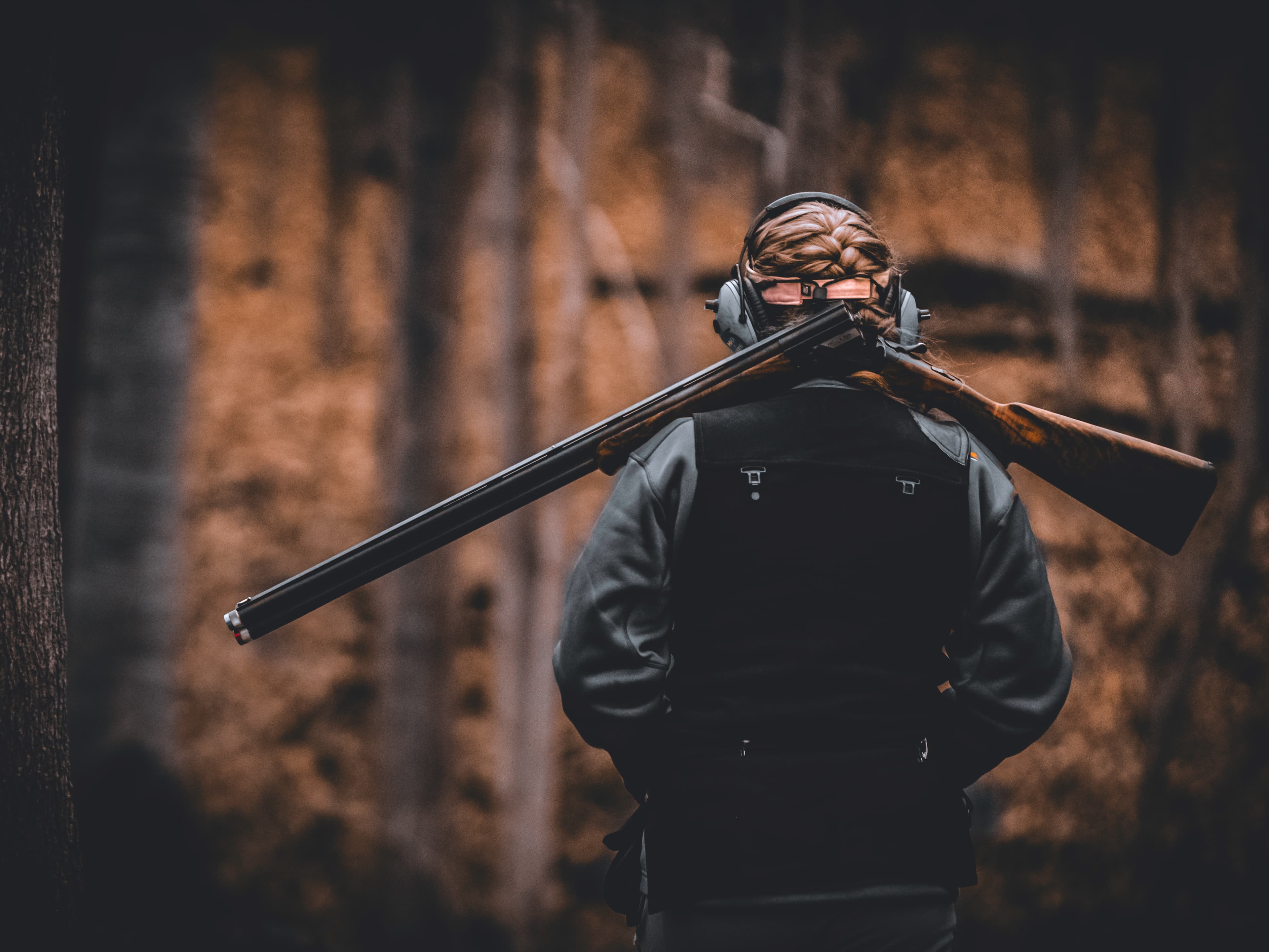
Some observations need time before they become useful.
A missed target. A pressure moment. A student pattern. A tool that changes the way movement feels. A conversation that keeps returning. A sentence from an old journal that no longer says the whole truth, but still carries the beginning of one.
Remember is not a blog.
It is an archive of attention becoming language.
01 / Theme map
Not chronological first. Thematic first.
This archive is organized by kind of attention, not by date.
Choose the thread you want to follow:
The archive is a map of returns.
- 01
Practice / Learning
How a shooter changes what they value, how practice can reinforce the wrong pattern, and why improvement often begins by looking at the process beneath the break.
- 02
Pressure / Competition
What happens when score, outcome, fear, winning, and consequence enter the shot.
- 03
Seeing / Perception
How the eyes gather information, how attention changes what is visible, and why looking is not the same as seeing.
- 04
Equipment / Craft
How tools carry movement, trust, feel, and decisions inside their physical design.
- 05
Conversation / Listening
What becomes visible when someone is allowed to talk long enough for the polished answer to soften.
- 06
Making / Systems
How identity, design, media, and digital structure become records of attention.
02 / Archive doors
Five strong doors into the archive.
01
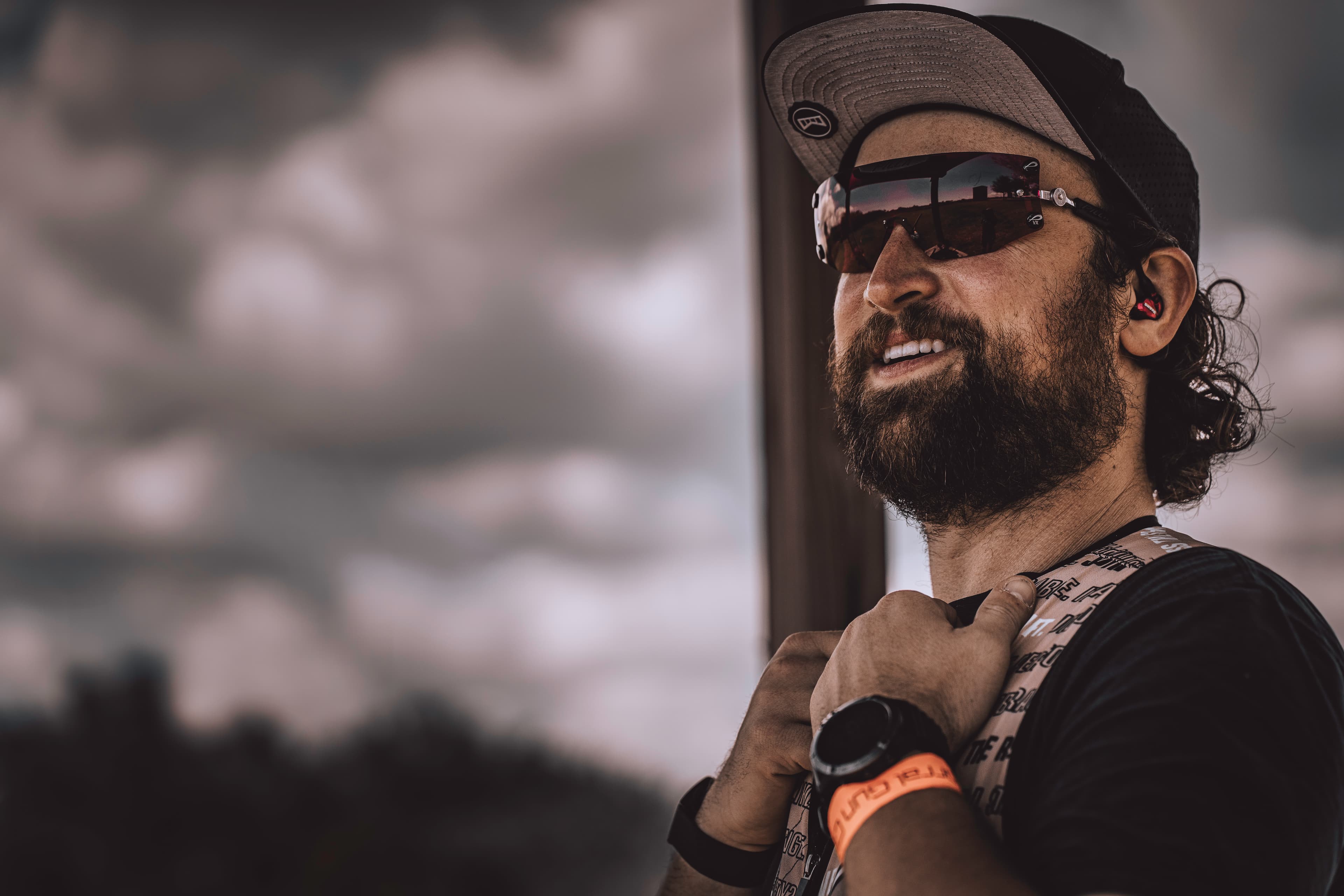
The Plateau Problem
Journal entry / podcast summary
An essay on why shooters plateau when they value the result more than the movement, and why practice has to retrain what the brain treats as success.
Read entry02
Visual Focus
Shooting Journal
A detailed exploration of what it means to actually focus on the target, and how much information is lost when the eyes drift toward checking, measuring, or the gun.
Read entry03
The Value of a Shot
Shooting Journal
A pressure essay about the meaning placed on a shot, the fear of missing, and the possibility of reducing sport back to the act itself.
Read entry04
What It Takes
Shooting Journal
A reflection on visualization, present-tense performance, competitive commitment, and the level of detail required to keep improving.
Read entry05
My Perazzi High Tech
Shooting Journal
A long equipment reflection that moves past review language into feel, movement, balance, recoil, trust, and how a tool changes the shooter's relationship to the target.
Read entry
03 / Transcript notes
Conversation preserved as field notes.
Selected transcript excerpts stay here as field notes from longer conversations.
- 01Entry 01
Goals / Plan
Material from S1:E2 on goal setting, product goals, process goals, self-analysis, and roadmap building.
- 02Entry 02
Practice / Learning
Material from S1:E3 and S1:E4 on open-loop learning, value placement, practice structure, failure, and post-shot analysis.
- 03Entry 03
Awareness / Tournament Process
Material from the Curtis Dunbar conversations on score, self-awareness, visual state, external distraction, and the body of work around a round.
- 04Entry 04
Pressure / First Results
Material from the Dawson Palmer conversation on pressure, presence, defense, and a round becoming evidence.
04 / Entry notes
Short enough to enter. Deep enough to return.
Each archive entry opens quickly, with one clear idea to stay with.
Each entry gives the visitor a clear way in:
The archive lets a thought breathe without pretending it is finished.
- 01
A clear title so you know what the note is about.
- 02
A short opening premise that explains why the note matters.
- 03
One pull line that gives you the main idea to carry forward.
- 04
Theme tags that show which thread the note belongs to.
- 05
A related route that gives you the next place to continue.
- 06
A context note when an older entry needs framing.
05 / Return paths
Return through another door.
Remember is where the work leaves marks.