
The Practice Ground
Learn what your shooting is showing you.
A target does not only reveal whether the gun was in the right place.
It can reveal where attention went, what the body organized around, what pressure changed, what the shooter trusted, what the target actually asked for, and what part of the process arrived too late.
Here’s what this means
Here’s what this means
Learn what your shooting is showing you.
When I say your shooting is showing you something, I mean that very literally.
Every target gives information.
Not just whether the shot broke, but what happened inside the system that produced the shot. Where your attention went. What your body organized around. Whether the plan was clear before you called pull. Whether pressure changed your timing, your trust, your pace, or your ability to see.
I have spent most of my life inside that kind of information.
At first, like most shooters, I wanted the answer to be simple. I wanted the miss to have a clean explanation. Behind it. Over it. Stopped the gun. Looked at the barrel. Needed more lead.
Sometimes those things are true.
But the longer I stayed with the game, the more I realized that the obvious explanation was often just the doorway.
The better question was not only, “Why did I miss?”
The better question was, “What did the shot reveal?”
That question changed how I understood shooting.
And eventually, it changed how I understood teaching.
Because if a shot can reveal attention, trust, fear, body state, perception, preparation, and the way someone handles pressure, then coaching is not just about giving someone a better move.
It is about helping them see the system they are already bringing to the target.
That is where learning begins for me.
Not with a universal answer.
With the willingness to read the shot honestly.
Hold the shot open.
David's coaching begins there.
Not with a universal method.
Not with a memorized correction.
With the shot held open long enough to understand what produced it.
Here’s what this means
Here’s what this means
Hold the shot open.
Most shooters close the shot too quickly.
They break it and move on, or miss it and immediately reach for a fix. The result becomes the whole story. But if we move too fast, we lose the part of the shot that could have taught us something.
I understand that impulse because I have lived it.
When you miss, especially when it matters, there is a strong desire to make the discomfort go away. You want a reason. You want a fix. You want to get back to feeling like yourself.
But the real lesson is often sitting in the moment we are trying to escape.
So when I coach, I want to hold the shot open a little longer.
Not emotionally. Not in a way that makes the shooter dwell on failure or feel judged. I mean diagnostically. I want to keep the moment available long enough to understand what produced it.
What did the target actually ask for?
What did the shooter think it asked for?
Where did attention go before, during, and after the shot?
What did the body do?
Was the movement free, or was it being managed too consciously?
Did pressure change the shooter’s perception of the target?
Did the shooter commit to a plan, or try to create one during execution?
That pause matters.
It is the difference between correction and understanding.
It is the difference between giving someone another piece of advice and helping them see what is actually happening.
That is why a lesson begins as an observation field.
We are not there to decorate the shooter with more information.
We are there to see the truth of the shot clearly enough that the next move makes sense.
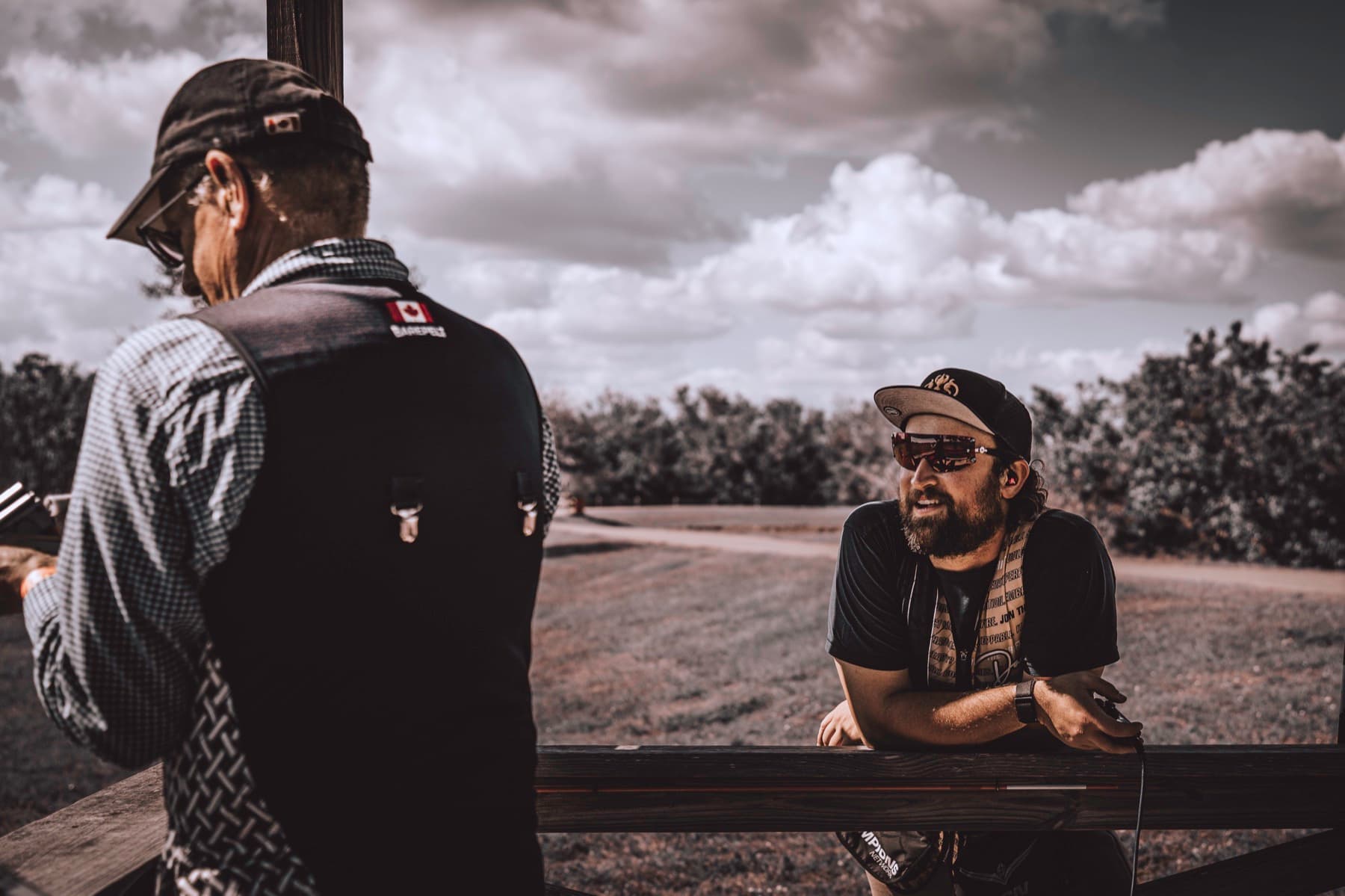
A lesson begins as an observation field, not a correction script.
Who this is for.
Learn is for shooters who want a current pattern to become legible, not just temporarily corrected.
The pattern might be a target that keeps returning, a miss that does not match your explanation, a practice gap, a pressure response, an equipment relationship, or a state change that follows you from course to course.
You do not need to arrive with a perfect summary. Bring honest context, what you think is happening, what you have tried, and what you want to understand.
If you are ready to look at lesson options, use Request a Lesson. If the pattern needs context first, begin a coaching inquiry.
Here’s what this means
Here’s what this means
Who this is for.
This kind of coaching is for shooters who are willing to bring the real pattern into the field.
Not the polished version.
Not the version that sounds impressive.
Not the version that hides the uncertainty.
The real pattern.
The target that keeps causing trouble. The miss that does not match your explanation. The practice scores that refuse to transfer into tournaments. The gun that feels connected on some presentations and wrong on others. The way you shoot well until the round matters. The way a squad, a score, a certain course, a certain kind of weather, or a certain expectation changes who you are in the box.
Those details matter to me.
They are not excuses.
They are evidence.
I think a lot of shooters have been trained to hide the very information that would help them. They feel like they need to show up already knowing what is wrong. They feel embarrassed by the inconsistency, or they minimize the context, or they try to package the problem into something cleaner than it really is.
But I do not need the clean version.
I need the honest one.
You do not need to arrive with a perfect diagnosis. In fact, it is usually better if you do not. I would rather hear what you think is happening, what you have tried, what keeps returning, and what does not make sense yet.
Because the more honestly we can understand the pattern, the more precisely we can decide what to test.
That is where trust begins.
Not in pretending the problem is simpler than it is.
In telling the truth about what keeps showing up.
- the target or presentation that keeps causing trouble
- what changes under pressure, score, squad, fatigue, or weather
- what you are practicing now and what is not transferring
- any equipment relationship question that changes what you see, feel, or trust
- where you are based or willing to travel if location matters
The useful beginning is honest context, not a perfect diagnosis.
The first answer is a hypothesis.
A visible miss can be useful, but it is rarely the full explanation.
The cause may be technical. It may be visual. It may live in timing, tension, confidence, target reading, gun relationship, fatigue, strategy, social noise, or the way the shooter changes when score begins to matter.
The work begins by comparing what the shooter thinks is happening against what the field is showing.
The target gives evidence. The body gives evidence. The eyes give evidence. Pressure gives evidence. The next pair becomes a test.
Here’s what this means
Here’s what this means
The first answer is a hypothesis.
The first explanation is almost never something I want to treat as final.
It may be useful.
It may even be right.
But I want to test it.
A shooter might say, “I think I’m behind it.” That may be true. But why? Was the hold point wrong? Was the target misread? Did the body start late? Did the eyes lose connection? Did the shooter become aware of the gun too early? Did pressure make the target feel faster than it was? Did the plan arrive too late?
The visible miss is a doorway, not a conclusion.
I think this is one of the reasons I coach the way I do. I have seen too many shooters get trapped by answers that were partly right but not deep enough.
A quick answer can feel relieving.
It gives the shooter something to do.
But if it does not address the real variable, it can become another thing to chase. Another layer of conscious control. Another correction that works briefly, then disappears when the target changes or pressure returns.
That is why I think in hypotheses.
We take the shooter’s first explanation seriously, but we compare it against what the field is showing us.
The target gives evidence.
The body gives evidence.
The eyes give evidence.
Pressure gives evidence.
The next pair becomes a test.
That is also why I am careful with certainty.
Certainty can sound confident, but it can also shut down observation.
The work is not to collect more advice.
The work is to find the variable that actually matters.
The work is not to collect more advice. The work is to find the variable that actually matters.
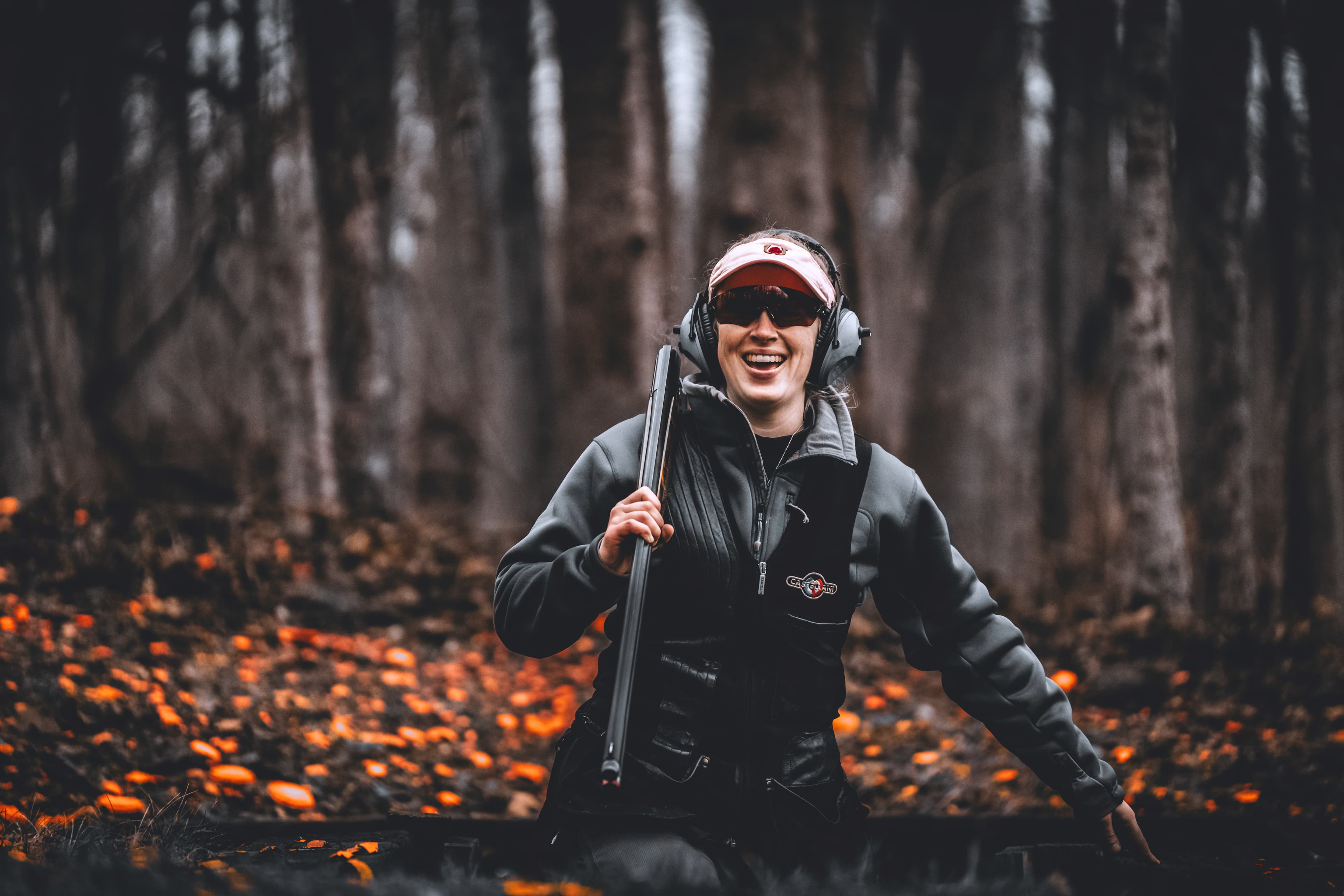
The shot as a whole event.
Coaching looks at the whole event of the shot:
Here’s what this means
Here’s what this means
The shot as a whole event.
A shot is not just the moment the gun goes off.
It is an entire event.
It begins before the call and continues after the result. It includes the target demand, the visual plan, the body state, the hold point, the line, the break point, the gun relationship, the shooter’s emotional state, the pressure of the moment, and the way the shooter interprets what happened afterward.
That is why I do not separate mechanics from the rest of the shooter.
Mechanics matter.
Gun movement matters.
Hold point matters.
Break point matters.
Posture, mount speed, hand speed, barrel awareness, and target line all matter.
But they matter inside a larger relationship.
A technical change is only useful if it improves what the shooter can see, feel, trust, and repeat. Otherwise, it becomes another isolated instruction that may work for a few targets but fail when the situation changes.
This has been one of the biggest lessons of my life in the sport.
You can know a lot and still not be free.
You can have a method and still not trust it.
You can make a technically correct move and still be disconnected from the target.
You can break the bird and still reinforce something that will hurt you later.
So when I look at a shot, I am not only asking, “Where was the gun?”
I am asking, “What whole system produced that shot?”
That is where the better answer usually lives.
Not in dismissing mechanics.
In finally putting mechanics back inside the person.
- target demand
- visual attention
- body state
- pressure response
- movement and mechanics
- hold point, break point, and line
- equipment relationship
- practice design
- confidence and trust
- what the shooter can repeat alone
Mechanics still matter. Gun movement, posture, mount speed, hand speed, barrel awareness, balance, and target line are part of the work.
But mechanics matter most when they connect to what the shooter sees, feels, trusts, and can repeat.
Plan before the shot. See during the shot. Learn after the shot.
A shooter can be looking at the target and still be attending to the gun, the score, the miss, the squad, or the future.
Here’s what this means
Here’s what this means
Plan before the shot. See during the shot. Learn after the shot.
One of the biggest problems in shooting is not that people think too much.
It is that they think at the wrong time.
I know that because I have done it myself.
I have tried to solve something while it was already happening. I have carried a miss into the next pair. I have tried to protect a result instead of committing to a process. I have felt the mind arrive at the wrong moment and interrupt what the body already knew how to do.
That is why this rhythm matters so much to me:
Plan before.
See during.
Learn after.
Before the shot, conscious thought is useful. That is when the shooter should understand the target demand, the likely failure point, the visual plan, the body state, and the decision that needs to be made before execution begins.
During the shot, that kind of thinking has to get out of the way.
The target needs to become primary. The body has to respond. The gun has to belong to the visual event instead of becoming the thing the shooter is checking, measuring, or trying to steer.
After the shot, attention comes back inward again. That is when we learn.
What happened?
What changed?
What should be repeated?
What should be tested?
What should be left alone?
A lot of shooters blur those phases together. They are planning during execution, judging during movement, learning too late, or carrying the emotional weight of the last target into the next one.
Part of coaching is helping the shooter put attention back in the right place at the right time.
That sounds simple.
It is not.
It is one of the deepest skills in the game.
Plan before the shot.
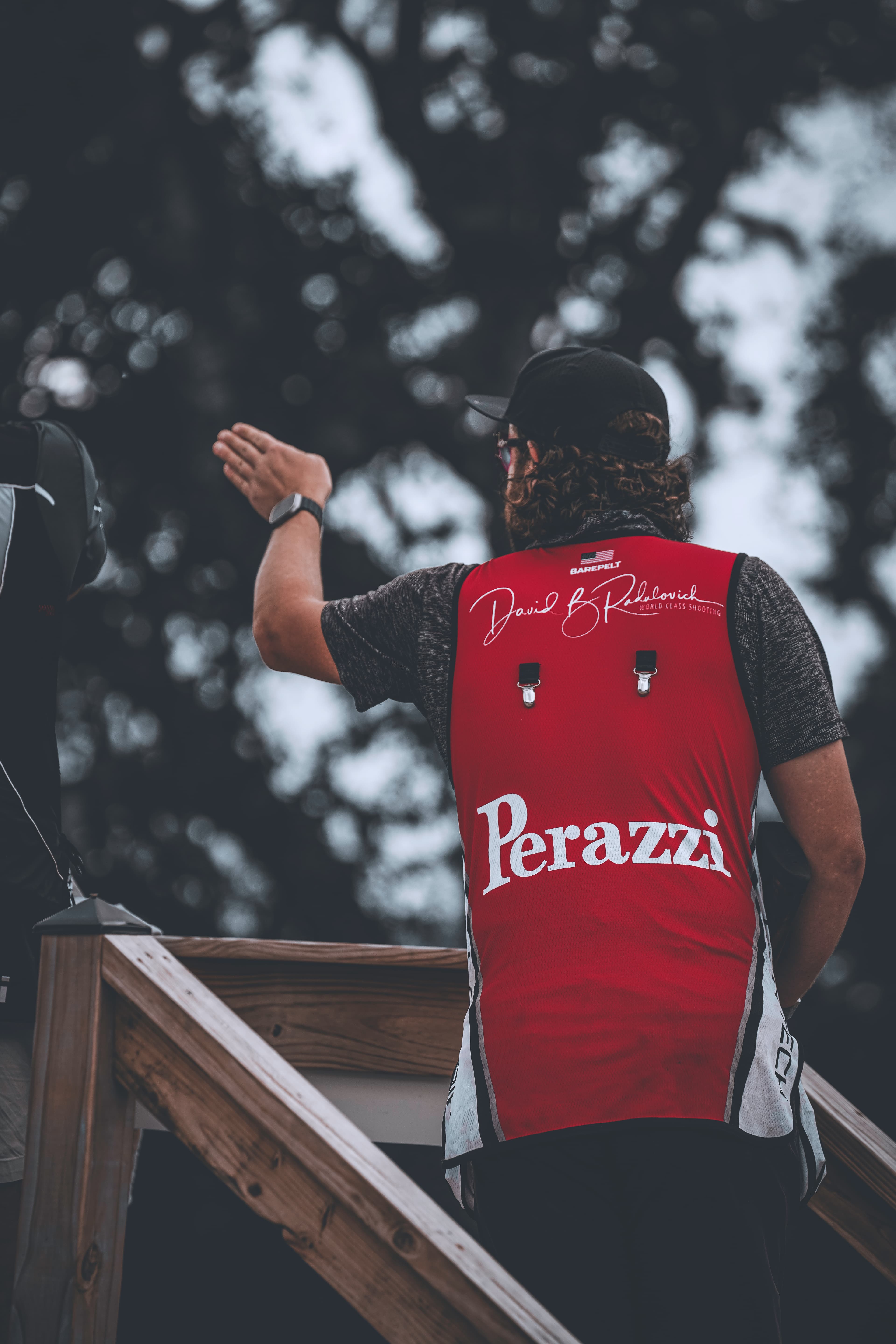
Before the shot, attention prepares.
What does the target ask for? Where can the pair fail? What state does the shooter need? What decision must be made before execution begins?
Here’s what this means
Here’s what this means
Plan before the shot.
Before the shot, the shooter gets to be conscious.
That is where planning belongs.
What does the target actually ask for? Where is the pair most likely to fail? What does the body need to be ready for? What is the visual strategy? What decision needs to be made before the bird is called?
This does not mean building a complicated checklist.
That is important.
I am not trying to make the shooter heavier with thought. I am trying to move the right thought into the right place so the shot itself can be freer.
A good plan gives the shooter something to trust.
A bad plan leaves the shooter negotiating with the target while the target is already moving.
That negotiation is expensive.
It costs visual connection. It costs timing. It costs trust. It brings the gun into consciousness too early. It turns execution into a discussion.
And by then, the bird is already gone.
So the work before the shot is not there to make the shooter mechanical.
It is there to make commitment possible.
See during the shot.
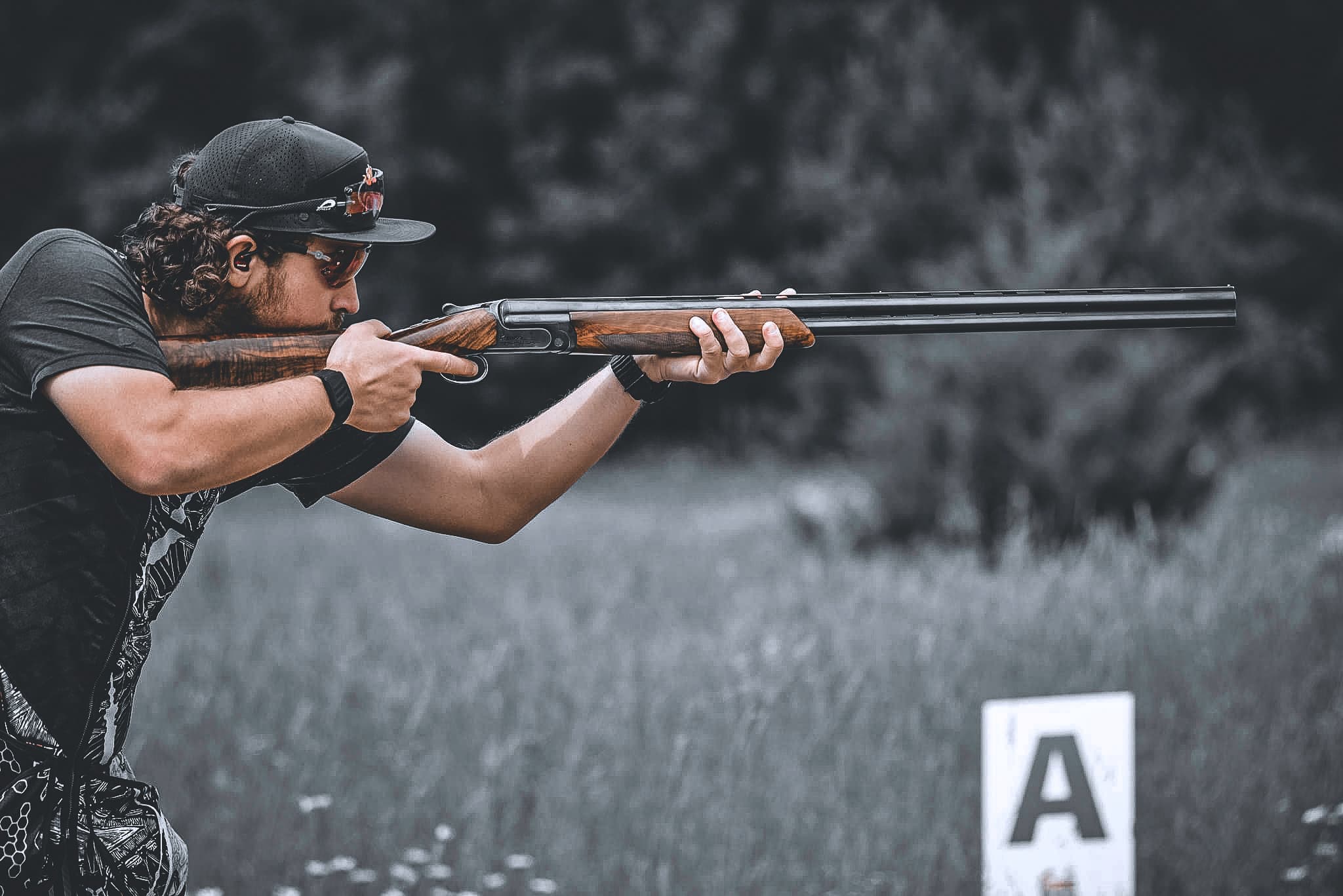
During the shot, attention has to move outward.
The target becomes primary. The body responds. The gun belongs to the visual event instead of becoming the thing the shooter over-checks.
Here’s what this means
Here’s what this means
See during the shot.
During the shot, attention has to move outward.
That sounds obvious until you realize how often it does not happen.
A shooter can be physically looking at the target and still not truly be with the target. They may be thinking about the gun, the gap, the score, the miss, the squad, the lesson, the next station, or the future.
That split matters.
This is one of the most important distinctions in how I see shooting: where the eyes are pointed is not always the same as where the mind is attending.
To me, seeing during the shot means letting the target become primary enough that the body can organize around it. The gun is still there, but it is not the center of consciousness. It belongs to the visual event instead of becoming the object the shooter is trying to control.
This is one of the hardest things to teach because it is subtle.
The shooter often thinks they are looking at the bird.
And in one sense, they are.
But the real question is:
What are they attending to while they are looking at it?
That difference changes everything.
It changes movement.
It changes timing.
It changes perceived speed.
It changes trust.
It changes whether the shot feels like something the shooter is allowing, or something they are trying to force into being.
Learn after the shot.
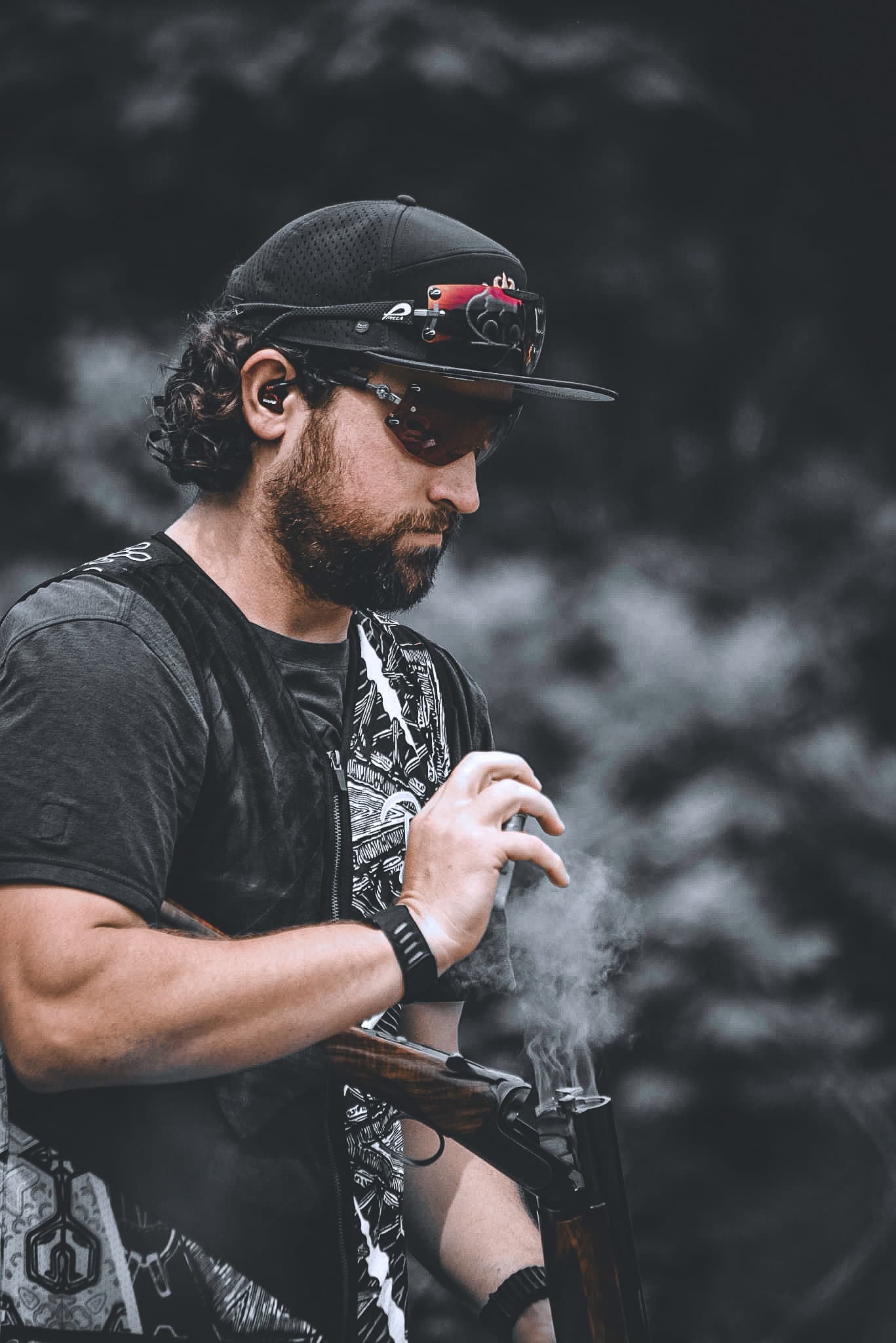
After the shot, attention returns to evidence.
What happened? What changed? What can be tested? What should be repeated? What should be left alone?
Here’s what this means
Here’s what this means
Learn after the shot.
After the shot, the shooter has a choice.
They can judge it.
They can emotionally react to it.
They can explain it too quickly.
They can ignore it and move on.
Or they can learn from it.
Learning after the shot does not mean overanalyzing every target. That would be its own trap. It means collecting the right evidence while the information is still fresh.
What happened?
What changed?
Did the shooter run the plan?
Did the target look the way they expected?
Did the body feel ready?
Did pressure change anything?
Was the result good but the process weak?
Was the result bad but the evidence useful?
This is where I want shooters to become more honest and less brutal with themselves.
Those are not the same thing.
A lot of shooters think being honest means being harsh. It does not. Harshness often makes the lesson less clear because the shooter becomes busy defending against their own judgment.
Honesty is different.
Honesty asks, “What did this show me?”
The goal is not to turn every shot into a lecture.
The goal is to teach the shooter how to read their own performance without drowning in thought.
That is the beginning of self-coaching.
And to me, that is one of the most meaningful things a lesson can give someone.
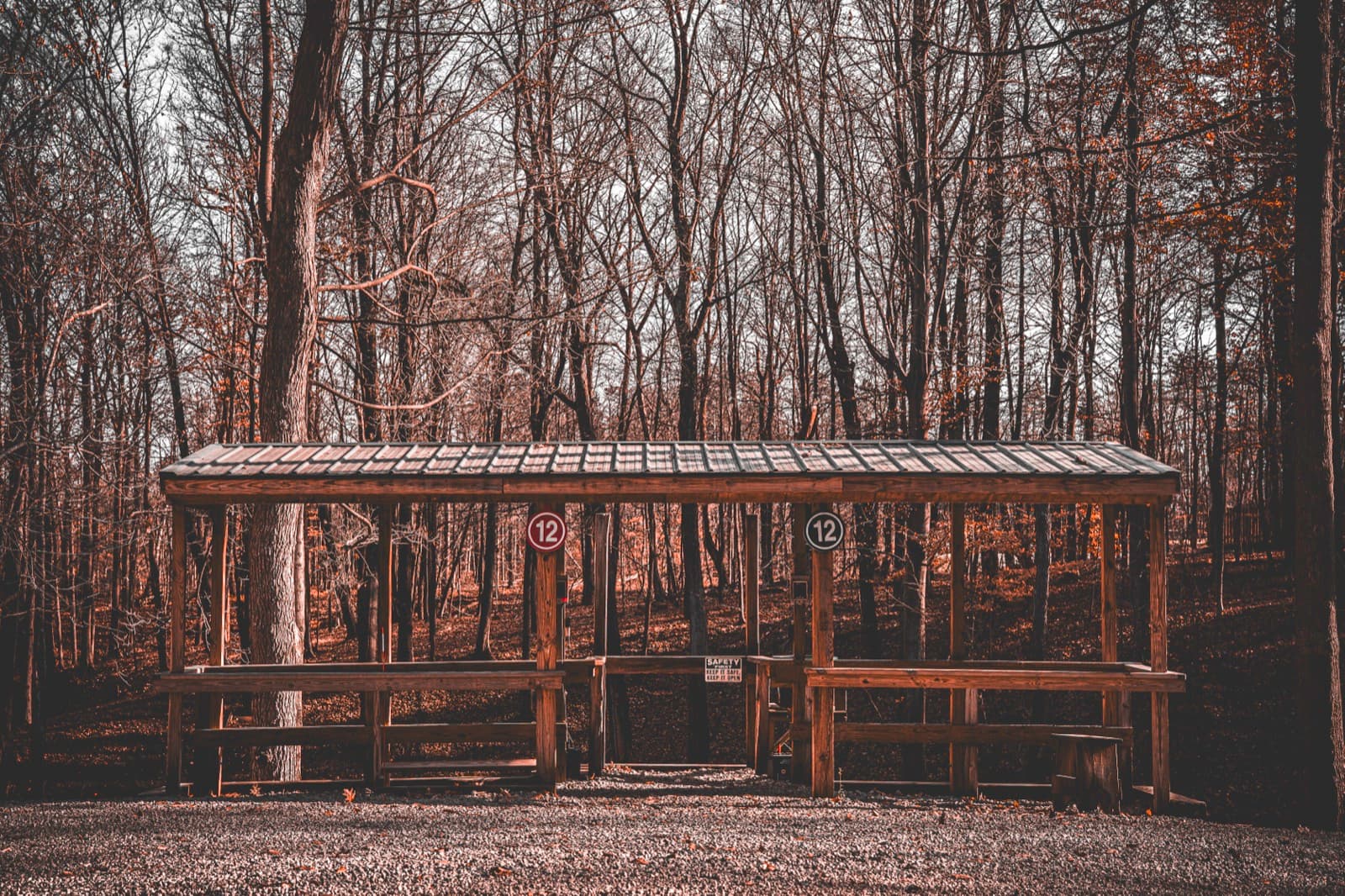
Practice the real failure pattern.
Most shooters do not plateau because they need more random targets.
They plateau because practice keeps rewarding the wrong thing.
A broken target can hide poor movement. A missed target can contain the better lesson. The useful question is not only whether the target broke. It is whether the shooter practiced the thing they actually needed to learn.
Good practice has a focus. It chooses the variable. It creates enough structure to observe what changed. It gives the shooter a way to value execution, not just outcome.
Practice should train the pattern that actually breaks under pressure.
Here’s what this means
Here’s what this means
Practice the real failure pattern.
A lot of shooters practice, but they do not always practice the thing that is actually failing.
They shoot targets.
They break targets.
They feel productive.
But the practice may be rewarding the wrong thing.
I understand why this happens. Breaking targets feels good. It gives immediate proof. It makes the session feel successful. But sometimes the target breaks for reasons that will not survive pressure, and sometimes the miss contains more useful information than the break.
A broken target can hide a weak pattern.
A missed target can contain the better lesson.
That is why I care so much about practice design.
Good practice has a focus. It chooses the variable. It creates a way to observe what changed. It gives the shooter a reason to value execution, not just outcome.
If the failure pattern appears under pressure, then practice has to train that pressure-sensitive pattern. If the problem is target reading, practice has to expose target reading. If the issue is visual attention, practice has to make attention visible. If the problem is trust, then the practice environment has to reveal where trust breaks.
More targets are not always better.
Better evidence is better.
That can be hard for ambitious shooters to accept, because ambition wants volume. It wants proof. It wants the feeling of grinding.
But mastery is not built by repeating what is comfortable.
It is built by becoming willing to practice the thing that actually breaks.
Pressure is not a slogan. It is a state change.
Competition changes people.
It can change pace, breath, posture, timing, perceived target speed, hand speed, decision-making, and trust.
The answer is not always to calm down. Some shooters need less arousal. Some need more engagement. Some need a clearer plan. Some need to stop solving the shot during execution.
The point is to learn which version of you appears under pressure, then build a process that makes your best execution available more often.
Here’s what this means
Here’s what this means
Pressure is not a slogan. It is a state change.
Pressure is not just “mental game.”
Pressure changes the shooter’s state.
It can change breathing, pace, posture, timing, hand speed, perceived target speed, decision-making, and trust. It can make the same target look different. It can make the same movement feel different. It can make a shooter abandon a plan they believed in five seconds earlier.
I care about this because I have lived it.
I have felt what pressure can do. I have felt it sharpen me and distort me. I have felt it make me more present, and I have felt it pull me away from the very thing I needed to see.
That is why I do not usually think “just relax” is a complete answer.
Some shooters do need less arousal.
Some need more engagement.
Some need a clearer plan.
Some need to stop solving the shot during execution.
Some need to understand why competition changes their relationship to the target.
The point is not to remove pressure.
The point is to learn which version of you appears under pressure and what conditions make your best execution available more often.
That is a real performance skill.
And it is also a personal one.
Because pressure does not just reveal your shooting.
It reveals your relationship to trust, control, fear, expectation, identity, and consequence.
That is why this work can become deeper than people expect.
Here’s what this means
Here’s what this means
Field notes for the practice ground.
The writing connected to this page is not meant to replace coaching.
It is meant to extend the questions.
Some topics need more space than a lesson page can hold. Visual focus, plateauing, visualization, pressure, practice design, competitive commitment — those are not one-line ideas. They deserve room.
The field notes are where I can slow those ideas down and look at them from inside the work.
They are not a lesson catalog.
They are not universal rules.
They are a way of helping shooters think more clearly about the patterns they keep meeting in the field.
Writing has become important to me because sometimes I do not fully understand what I know until I try to say it clearly.
I can feel something in a lesson. I can sense the shape of the pattern. But writing forces me to slow down and ask: what is really happening here? What is the useful language? What would help someone recognize this in themselves later?
Sometimes the writing gives language to something a shooter has felt for years but never quite named.
That matters.
Once something has language, it becomes easier to observe.
Once it can be observed, it can be trained.
Not a shortcut. Not a script.
- This is not mechanics-only coaching.
- It is not score-only evaluation.
- It is not a fixed lead-method system.
- It is not one-size-fits-all mental game advice.
- It is not equipment magic.
- It is not dependence on the coach as the long-term goal.
The useful lesson gives the shooter a clearer way to observe, test, and adjust.
The student should leave with better eyes for their own game.
Here’s what this means
Here’s what this means
Not a shortcut. Not a script.
This section matters because it protects the coaching from being misunderstood.
This is not mechanics-only coaching.
It is not score-only evaluation.
It is not a fixed lead method.
It is not one-size-fits-all mental game advice.
It is not equipment magic.
And it is definitely not about making the student dependent on the coach.
The goal is not for you to leave needing me more.
The goal is for you to leave seeing more.
That matters to me deeply.
Because I do not think good coaching should make the coach the center of the student’s world. I think good coaching should make the student more capable of understanding their own.
That does not mean the lesson will ignore mechanics. It does not mean we will avoid technical details. It does not mean equipment never matters. It means none of those things get treated as magic answers outside the context of the shooter.
A useful lesson should give you a clearer way to observe, test, and adjust.
You should leave with better eyes for your own game.
If I have done my job well, you do not just leave with something to do.
You leave with a better way to see.
Here’s what this means
Here’s what this means
Where lessons can happen.
Location matters more than people sometimes realize.
Different clubs, terrain, target presentations, weather, travel demands, and comfort levels can all change what the shooter brings into the lesson. A shooter may behave differently at their home club than they do at a major event. They may see targets differently in different terrain. They may be more relaxed in one environment and more exposed in another.
That context matters.
I have spent my life moving through different grounds, different regions, different events, different kinds of pressure. I know that the field is never just a backdrop.
It participates.
The terrain changes what a target feels like. The weather changes the body. Travel changes energy. Familiarity changes confidence. A tournament ground can make a shooter feel exposed in a way their home club never does.
So when someone reaches out, I want to know where they are based, where they are willing to travel, and whether there is a specific club or event context that matters to the pattern they are trying to understand.
This page is not meant to be a live availability calendar.
It is meant to help us begin with better context.
Because context is often where the first useful clue is hiding.
Begin with the pattern you cannot explain yet.
Bring the target that keeps appearing.
Bring the miss that does not match your explanation.
Bring the pressure point, practice gap, equipment question, or state change that follows you from course to course.
The useful beginning is not a perfect summary. It is honest context.
Here’s what this means
Here’s what this means
Begin with the pattern you cannot explain yet.
This is the invitation.
You do not need to show up with the perfect diagnosis.
You do not need to know exactly what is wrong.
You do not need to translate your whole shooting life into a polished summary.
Bring the target that keeps appearing.
Bring the miss that does not match your explanation.
Bring the pressure point, the practice gap, the equipment question, or the state change that follows you from course to course.
Bring the thing you keep trying to fix but cannot quite understand yet.
That is enough.
In many ways, that is the best place to begin.
Because if the pattern is still alive, it can still teach us.
A useful lesson begins with honest context, not a perfect answer.
If the pattern is real, we can start there.